

Community Blog
Travel stories, tips, and insights from our community and experts.

July 31st, 2026
What Type of Traveller Are You? (Asian Destinations Edition)
Discover your travel personality and where you should go next in Asia
Have you ever noticed that two people can visit the same destination and come home with completely different experiences?
One person spends hours exploring temples and museums, while another is busy café hopping or searching for the best local street food. Neither is wrong—they're simply different types of travellers.
So, what kind of traveller are you?
Here are some of the most common travel personalities, along with Asian destinations that are perfect for each one.
🌸 The Culture Explorer
You love learning about local traditions, history, architecture and everyday life. A destination feels complete only after you've wandered through old streets, visited museums, and chatted with locals.
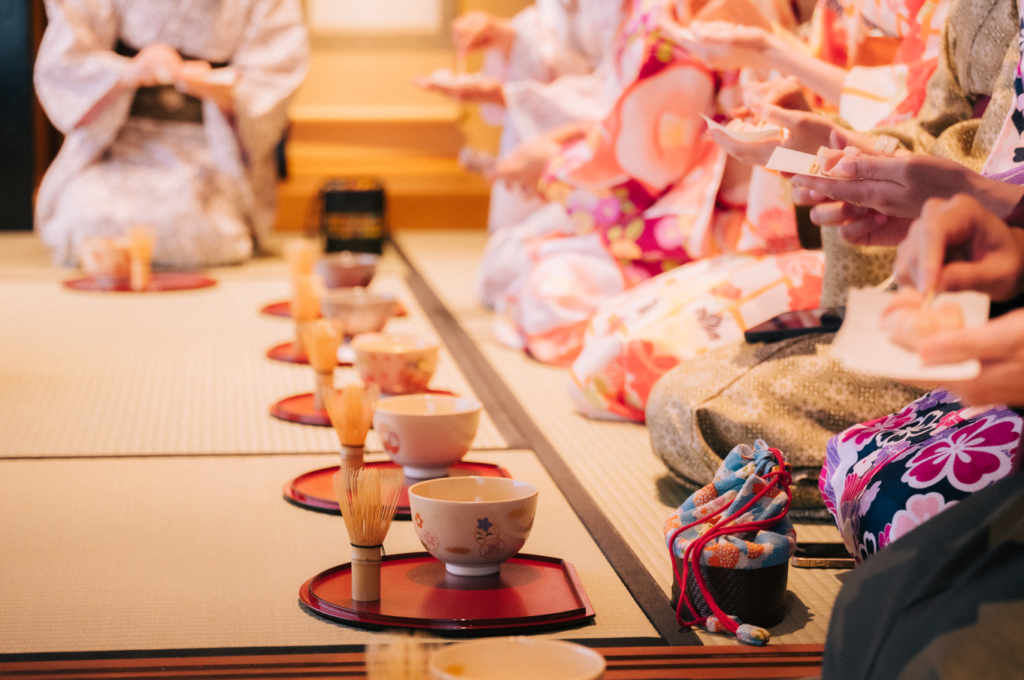
Best destinations:
-
Kyoto, Japan – Ancient temples, tea ceremonies and traditional neighbourhoods.
-
Luang Prabang, Laos – Peaceful monasteries, French colonial charm and morning alms-giving.
-
Xi'an, China – Home of the famous Terracotta Warriors and centuries of Chinese history.
-
Bhutan – Monasteries perched on cliffs and a culture that remains beautifully preserved.
You'll probably enjoy: heritage walks, cultural performances and local craft workshops.
🍜 The Food Hunter
For you, every holiday revolves around one important question:
"What are we eating next?"
You're willing to queue for an hour if everyone says the noodles are worth it.
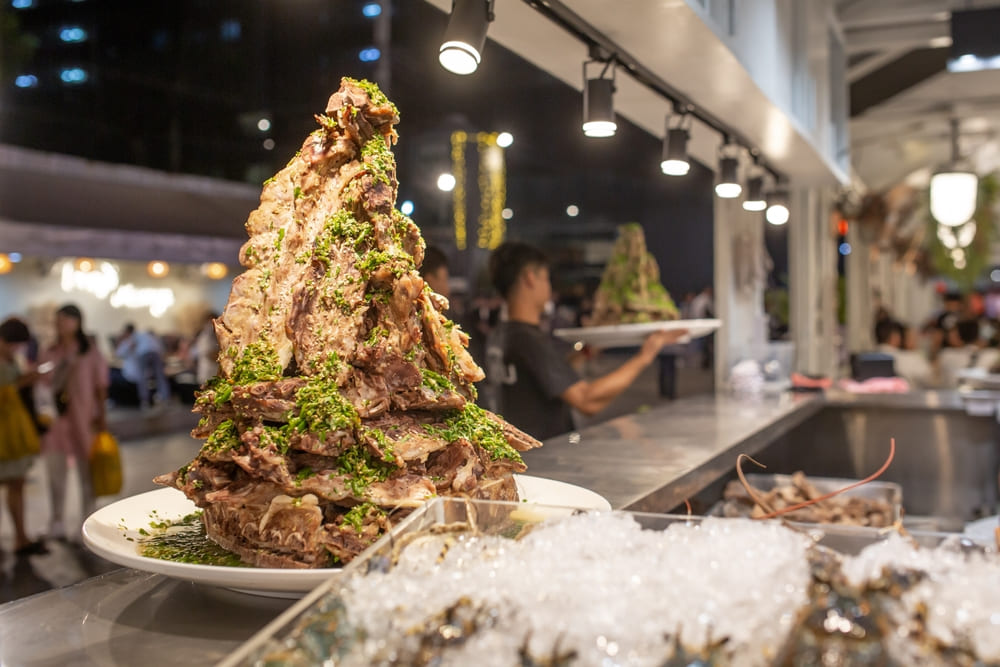
Best destinations:
-
Penang, Malaysia – A paradise for hawker food lovers.
-
Bangkok, Thailand – Street food everywhere, from grilled seafood to mango sticky rice.
-
Taipei, Taiwan – Legendary night markets and endless local snacks.
-
Osaka, Japan – Often called Japan's kitchen for good reason.
Don't miss: local markets, food tours and hidden neighbourhood eateries.
🏔️ The Nature Lover
Crowded cities aren't really your thing. You'd rather wake up to mountain views, waterfalls or peaceful lakes.
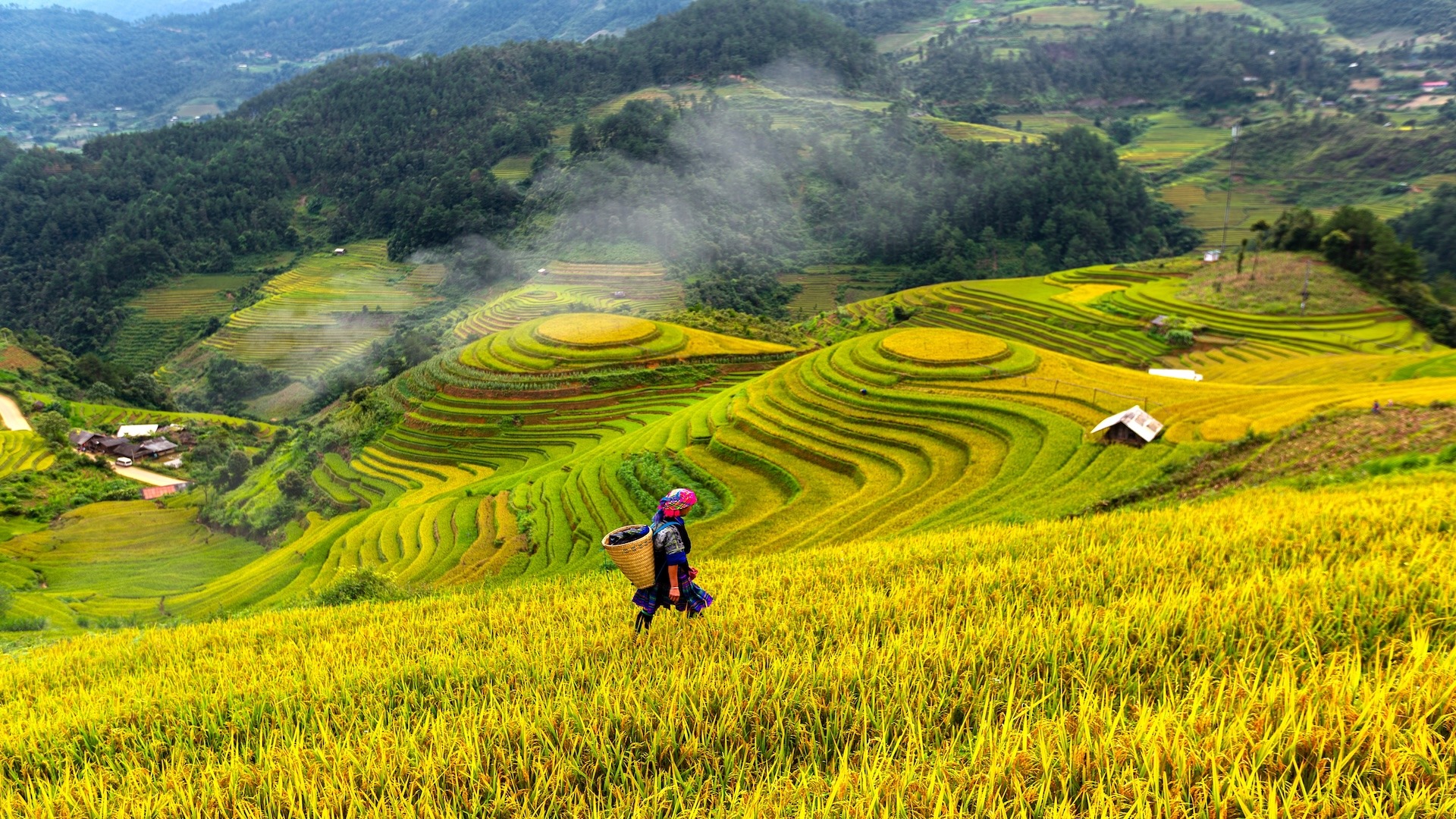
Best destinations:
-
Jiuzhaigou, China – Crystal-clear lakes and colourful forests.
-
Sapa, Vietnam – Rice terraces and mountain villages.
-
Chiang Mai, Thailand – National parks, waterfalls and cooler weather.
-
Bohol, Philippines – Chocolate Hills, rivers and beautiful countryside.
Perfect activities: hiking, cycling, kayaking and scenic drives.
☕ The Café Hopper
You secretly choose destinations based on Instagram-worthy cafés and unique coffee shops.
A great latte with a beautiful view? That's your idea of sightseeing.

Best destinations:
-
Seoul, South Korea – Endless themed cafés and trendy neighbourhoods.
-
Chiang Mai, Thailand – Cozy cafés surrounded by mountains.
-
Bali, Indonesia – Stylish cafés mixed with rice field views.
-
Da Lat, Vietnam – Cool weather and charming coffee culture.
Bonus points if: the café has homemade desserts.
🏖️ The Beach Chaser
Your holiday isn't complete without sunshine, soft sand and clear blue water.
The less stress, the better.
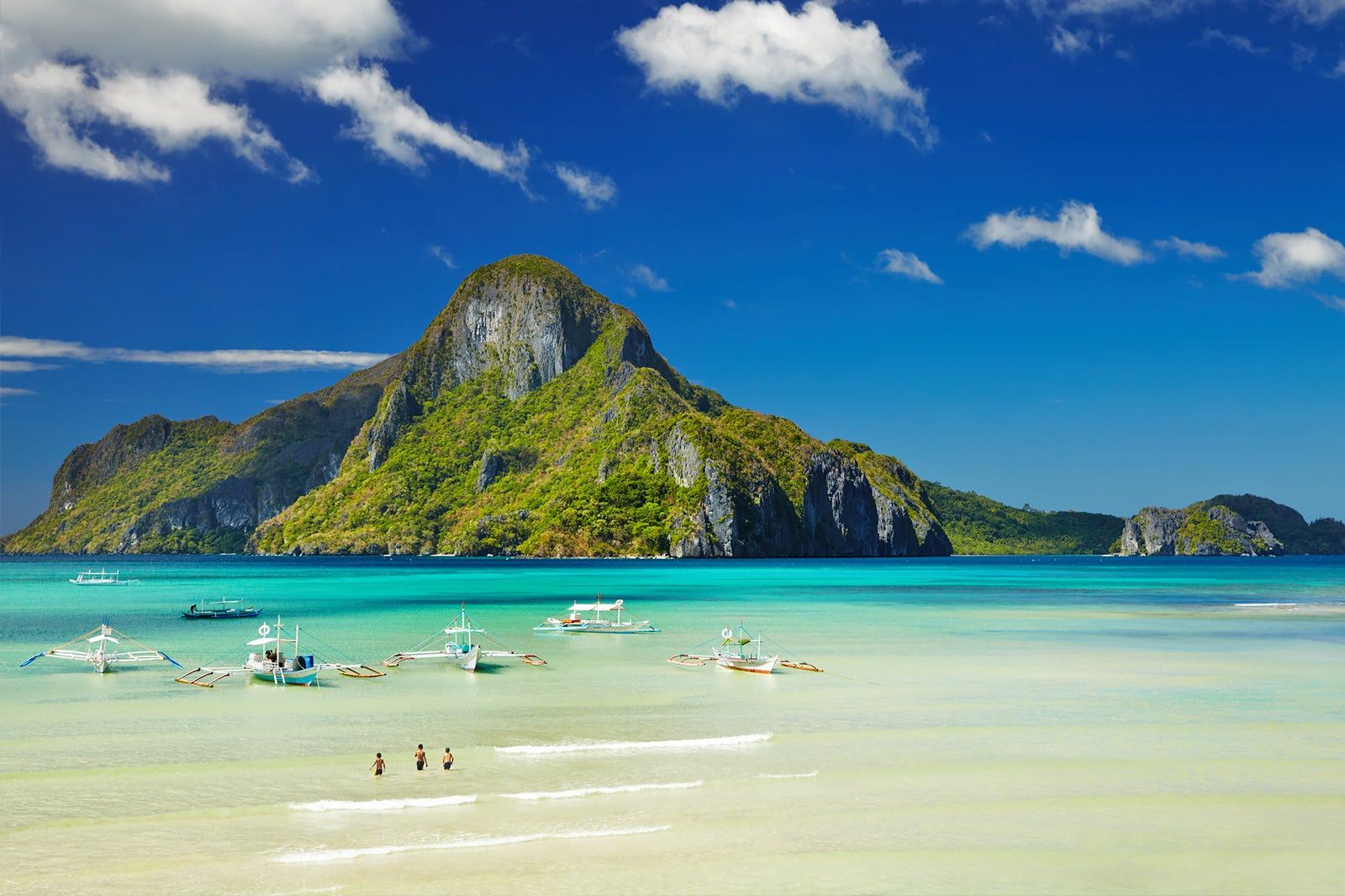
Best destinations:
-
Palawan, Philippines – Stunning lagoons and island hopping.
-
Langkawi, Malaysia – Relaxed beaches with beautiful sunsets.
-
Phuket, Thailand – Great mix of beaches, nightlife and activities.
-
Da Nang, Vietnam – Long sandy beaches close to the city.
Ideal days include: swimming, sunsets and seafood dinners by the beach.
🎢 The Adventure Seeker
You believe holidays should get your heart racing.
Whether it's ziplining, diving or climbing mountains, you're always looking for your next challenge
.
Best destinations:
-
Queenstown-style adventures? Try Chiang Mai, Thailand for jungle adventures and white-water rafting.
-
Komodo National Park, Indonesia – Hiking and snorkelling.
-
Sabah, Malaysia – Climb Mount Kinabalu or dive around Sipadan.
-
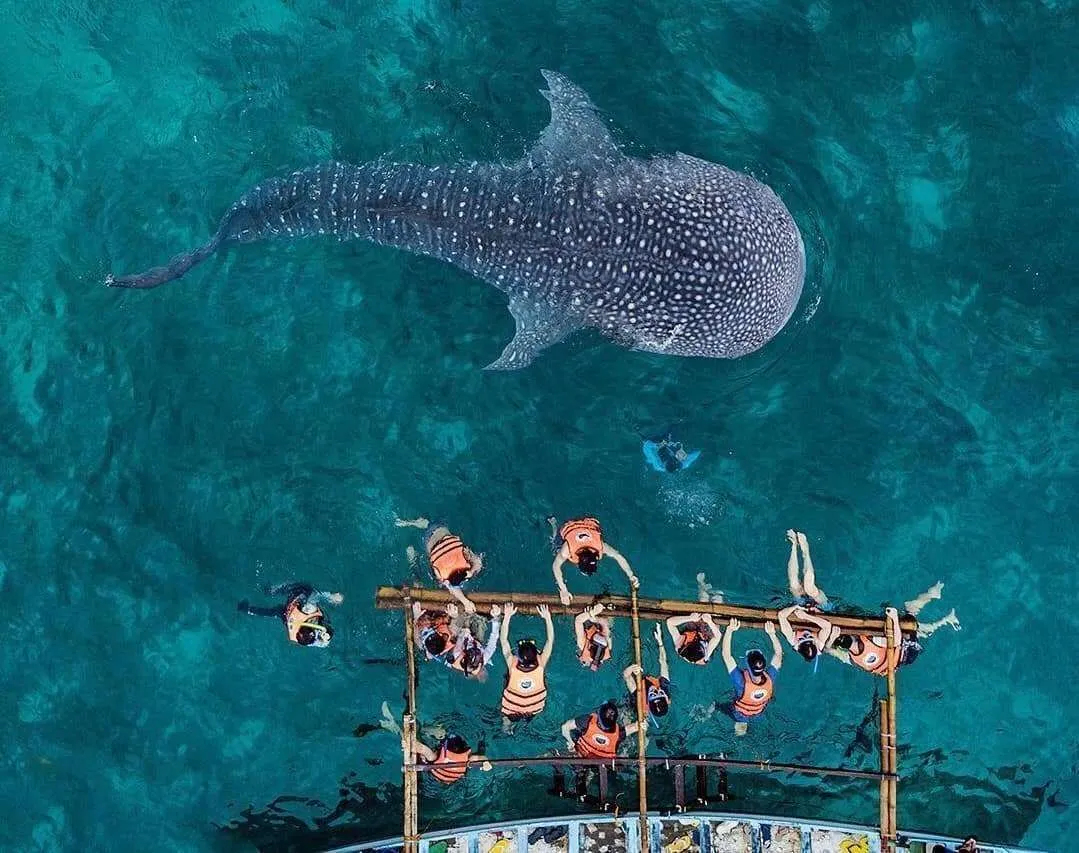
Cebu, Philippines – Canyoning, waterfalls and whale shark tours.
Your packing list probably includes: sports shoes before nice clothes.
🛍️ The Shopper
You somehow come home with an extra suitcase every trip.
From fashion to cosmetics, snacks and souvenirs, shopping is part of the itinerary.
Best destinations:
-
Tokyo, Japan – Department stores, anime shopping and luxury brands.
-
Seoul, South Korea – Fashion, skincare and accessories.
-
Bangkok, Thailand – Markets, malls and bargain shopping.
-
Hong Kong – Luxury shopping mixed with local street markets.
Warning: Leave extra luggage space.
🎉 The Night Owl
Your holiday begins when the sun goes down.
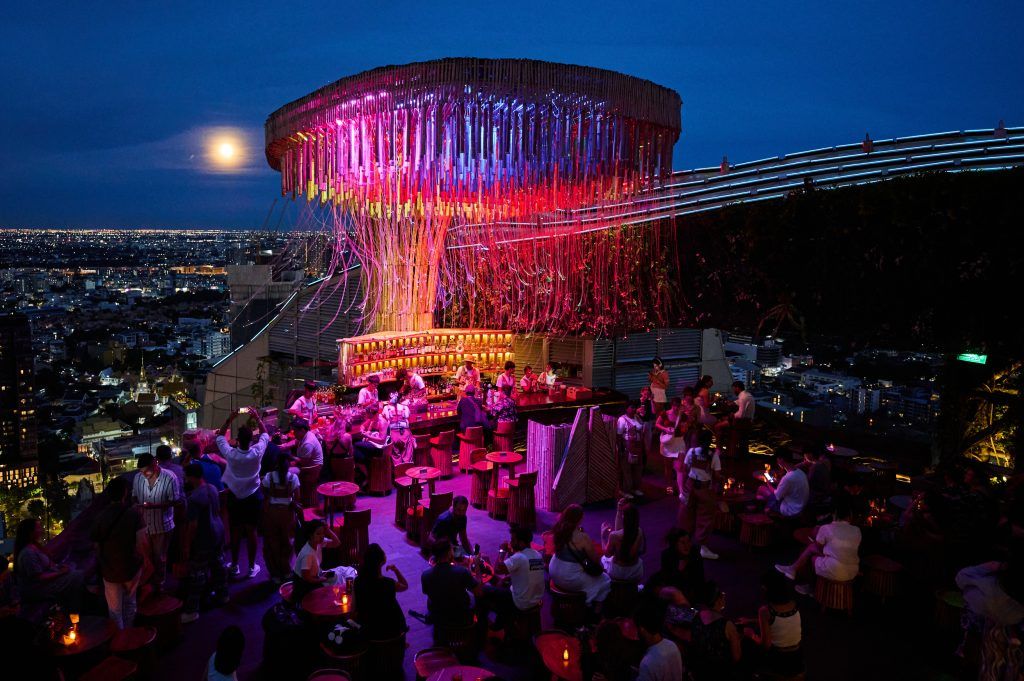
You're always searching for rooftop bars, live music, night markets or entertainment districts.
Best destinations:
-
Bangkok, Thailand
-
Ho Chi Minh City, Vietnam
-
Seoul, South Korea
-
Singapore
Whether it's cocktails with a skyline view or wandering through lively night markets, these cities stay awake long after dark.
👨👩👧 The Family Traveller
Travelling is about creating memories together, with activities everyone can enjoy.

Best destinations:
-
Singapore – Family-friendly attractions and easy transport.
-
Hainan, China – Beaches, theme parks and resorts.
-
Tokyo, Japan – Theme parks, aquariums and kid-friendly attractions.
-
Bali, Indonesia – Family villas, beaches and cultural experiences.
Look for destinations that combine fun, convenience and plenty of places to relax.
✈️ The "I Want a Bit of Everything" Traveller
Can't choose between beaches, food, shopping and sightseeing?
Good news—you don't have to.

Great all-round destinations:
-
Vietnam – Cities, beaches, mountains and amazing food.
-
Japan – Culture, shopping, nature and incredible cuisine.
-
Thailand – Islands, temples, cafés, shopping and nightlife.
-
Malaysia – Food, nature, multicultural experiences and beaches.
These countries offer a little bit of everything, making them ideal for first-time visitors or anyone travelling with family and friends who have different interests.
Which One Are You?
Most people aren't just one type of traveller. You might be:
-
🍜 40% Food Hunter
-
☕ 30% Café Hopper
-
🛍️ 30% Shopper
Or perhaps you're a Culture Explorer by day and a Night Owl after sunset.
The best trips are the ones that match your travel style. Instead of trying to do everything, focus on the experiences you'll enjoy the most. After all, the perfect holiday isn't about ticking off attractions—it's about creating memories you'll genuinely love.
So... what type of traveller are you? And where in Asia will your next adventure take you?
At Chrysalis Tours, we love helping travellers turn ideas into unforgettable journeys. Tell us what kind of traveller you are, and we'll recommend destinations, build a personalised itinerary, and handle the planning from start to finish.
Because the best holidays aren't just about where you go—they're about travelling your way.
👉 Explore our travel packages or contact Chrysalis Tours to start planning your next Asian adventure today.
July 30th, 2026
Best Local Dishes to Try in Hangzhou, Suzhou and Shaoxing
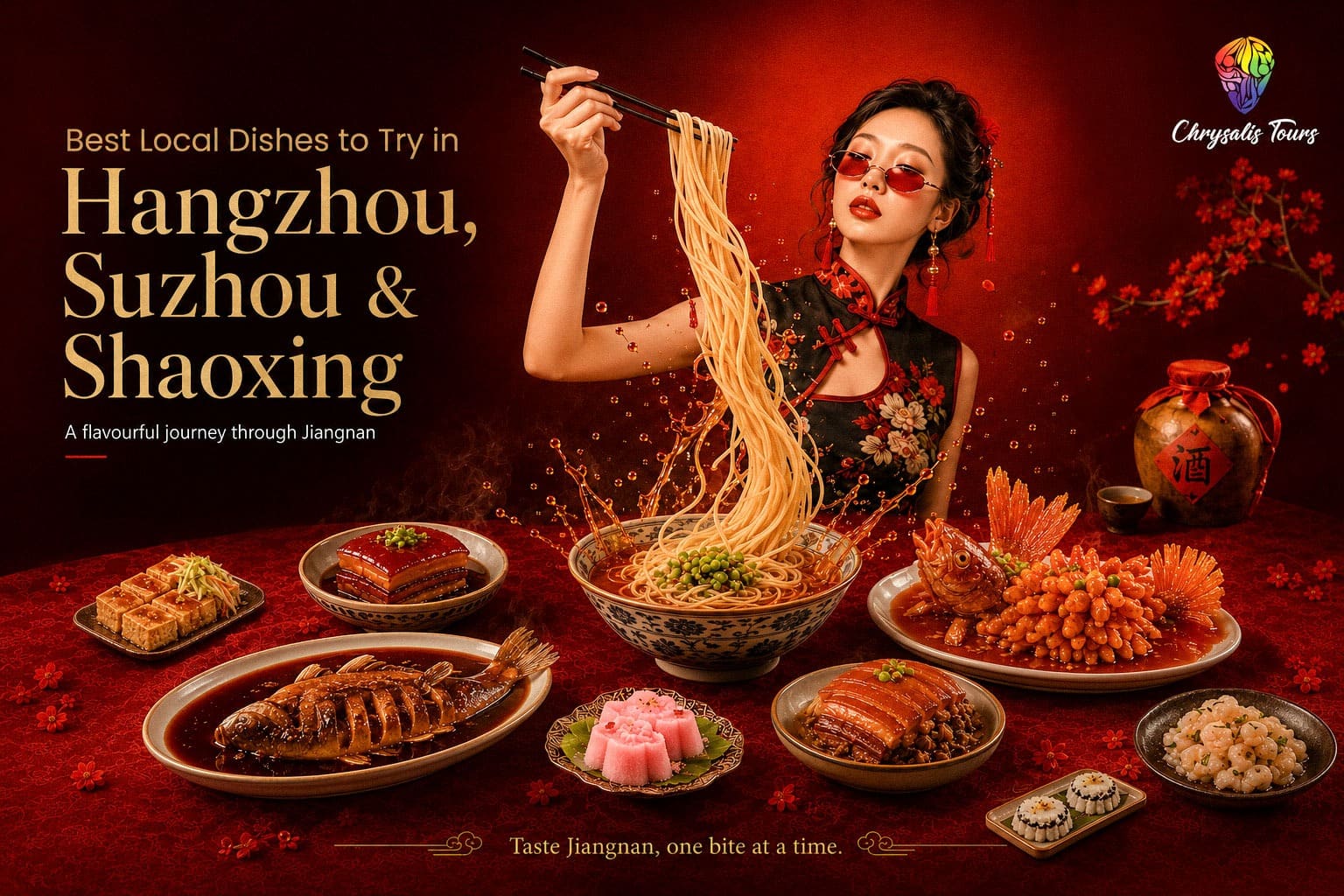
China’s Jiangnan region is famous for its graceful canals, classical gardens, ancient towns and beautiful lake views. But one of the best ways to experience this part of China is through food. Hangzhou, Suzhou and Shaoxing each have their own local flavours, from elegant lake dishes to sweet Suzhou classics and rich Shaoxing wine-based specialities.
Here are some local dishes worth trying when visiting these three charming cities.
Hangzhou 杭州
Hangzhou cuisine is known for its refined, gentle flavours. Many of its famous dishes are connected to West Lake, Longjing tea and traditional Zhejiang cooking. Popular Hangzhou classics include West Lake Fish in Vinegar Gravy, Longjing Tea Shrimp and Dongpo Pork.
West Lake Fish in Vinegar Gravy 西湖醋鱼
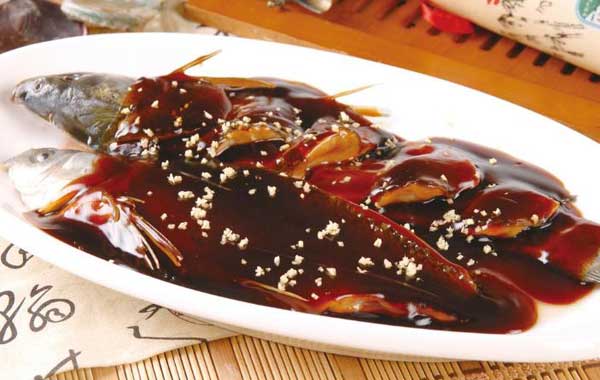
This is one of Hangzhou’s most well-known dishes. The fish is usually served with a glossy sweet-and-sour vinegar sauce. The taste is light, slightly tangy and very different from heavier fried fish dishes.
It is a must-try if you want something strongly connected to West Lake, but the flavour can be quite unique, so it may not be everyone’s favourite on the first bite.
Dongpo Pork 东坡肉
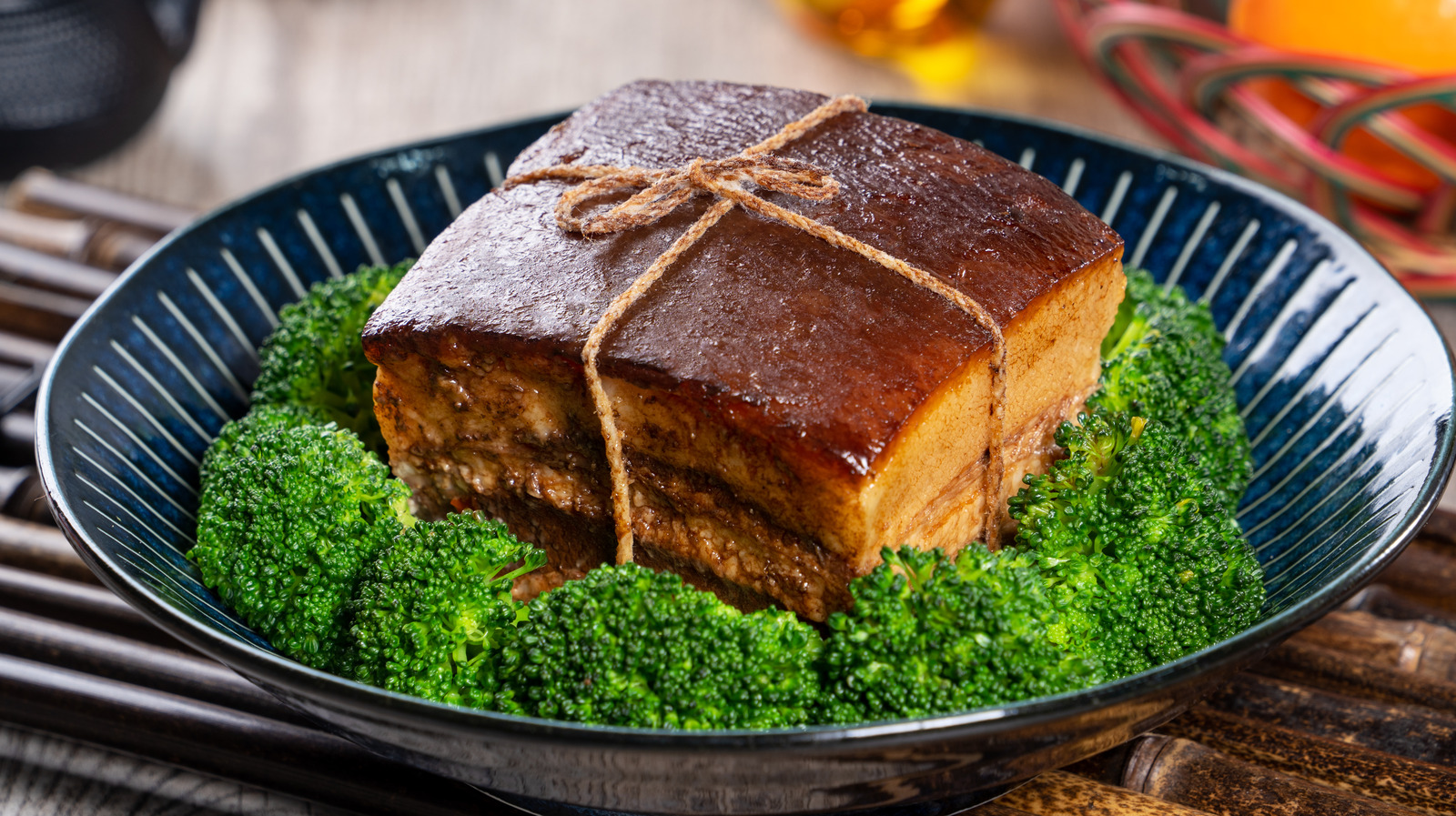
Dongpo Pork is a rich braised pork belly dish named after the famous poet Su Dongpo. The pork is slow-cooked until soft and tender, with a savoury-sweet sauce that goes perfectly with rice.
This is a great dish for travellers who enjoy comfort food. It is rich, flavourful and satisfying without being too spicy.
Longjing Tea Shrimp 龙井虾仁
Longjing Tea Shrimp is a beautiful Hangzhou dish made with fresh shrimp and the city’s famous Longjing green tea. The flavour is clean, delicate and slightly fragrant.
This is a good choice if you prefer something lighter. It also represents Hangzhou well because it combines local tea culture with local cuisine.
Beggar’s Chicken 叫花鸡
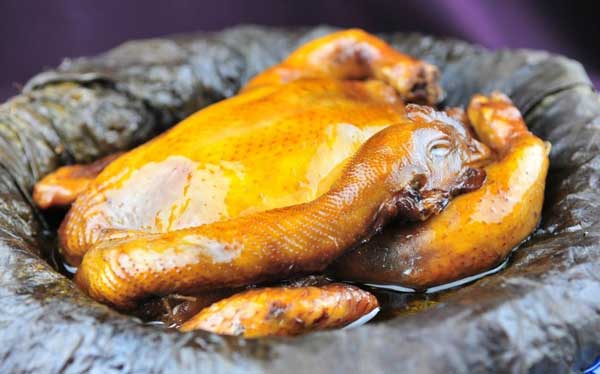
Beggar’s Chicken is a traditional dish where chicken is wrapped and baked until tender. The result is juicy, fragrant meat with a homely flavour.
It is a fun dish to try because of its story and cooking style. It is also suitable for sharing with family or friends.
Dingsheng Cake 定胜糕
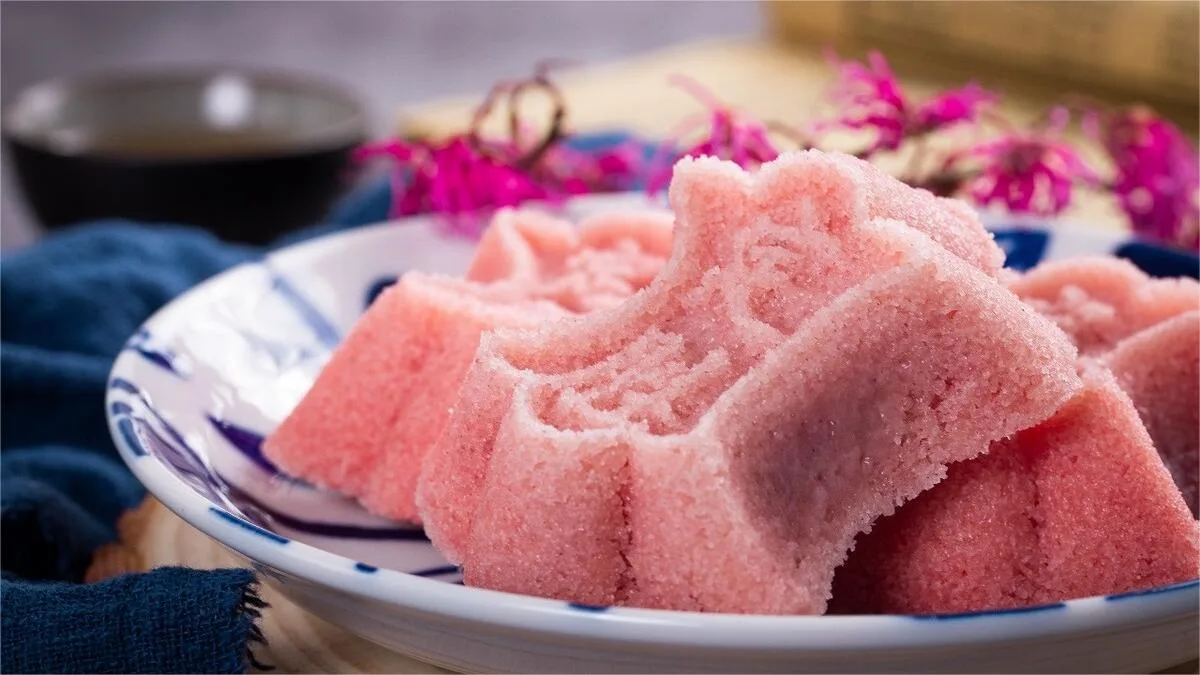
For something sweet, try Dingsheng Cake. This soft pink rice cake is often associated with good luck and success. It has a gentle sweetness and is easy to eat while walking around old streets or markets.
Suzhou 苏州
Suzhou food is often known for its slightly sweet taste, elegant presentation and connection to Jiangnan culture. The city is also famous for its gardens, canals and traditional lifestyle, so eating local food here feels like part of the cultural experience. Suzhou is widely associated with Jiangsu-style food, and Squirrel-Shaped Mandarin Fish is one of its signature dishes.
Squirrel-Shaped Mandarin Fish 松鼠桂鱼
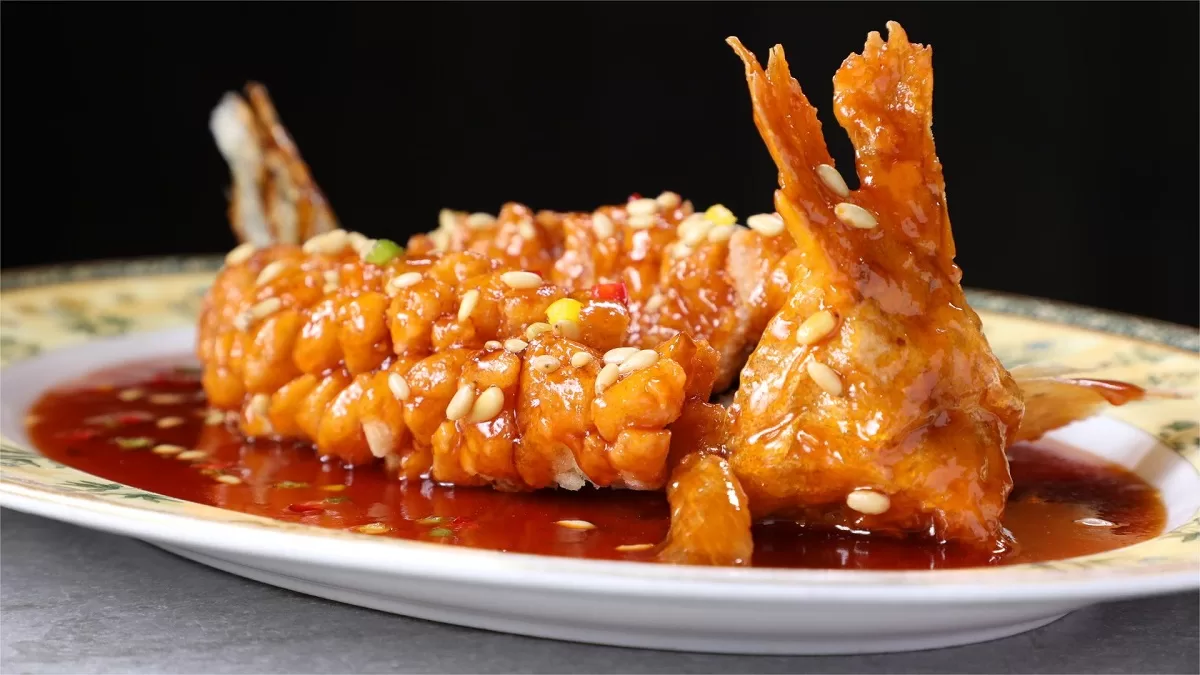
This is probably the most famous Suzhou dish. The fish is carefully cut, deep-fried and served with a bright sweet-and-sour sauce. Its shape looks a little like a squirrel, which makes it eye-catching on the table.
It is crispy, colourful and fun to eat, making it a good dish for first-time visitors to Suzhou.
Suzhou-Style Noodles 苏式面
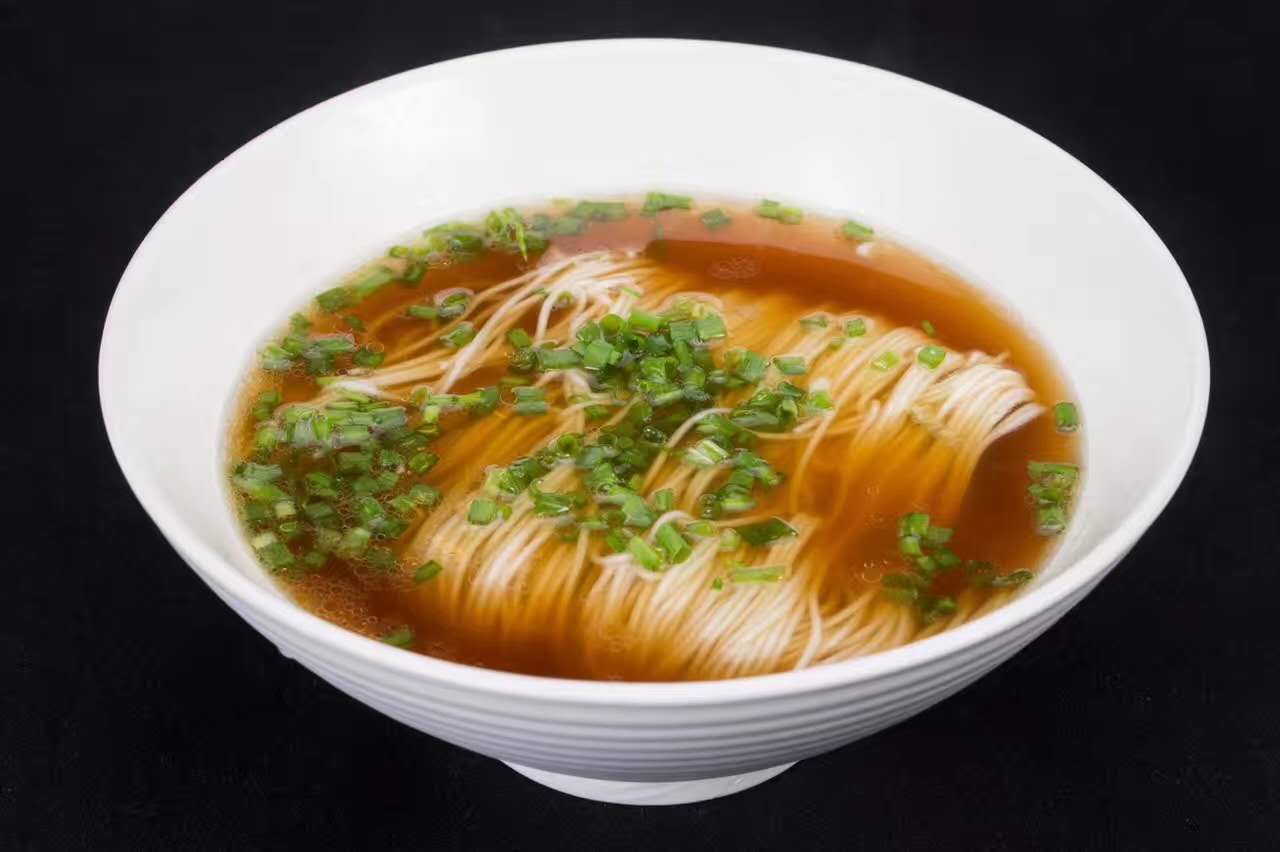
Suzhou-style noodles are simple but comforting. The noodles are usually served in a clear, savoury broth with toppings such as braised pork, shrimp, fish or vegetables.
This is a great breakfast or light lunch option. It is not too heavy, but still gives you a taste of everyday Suzhou life.
Biluo Shrimp 碧螺虾仁
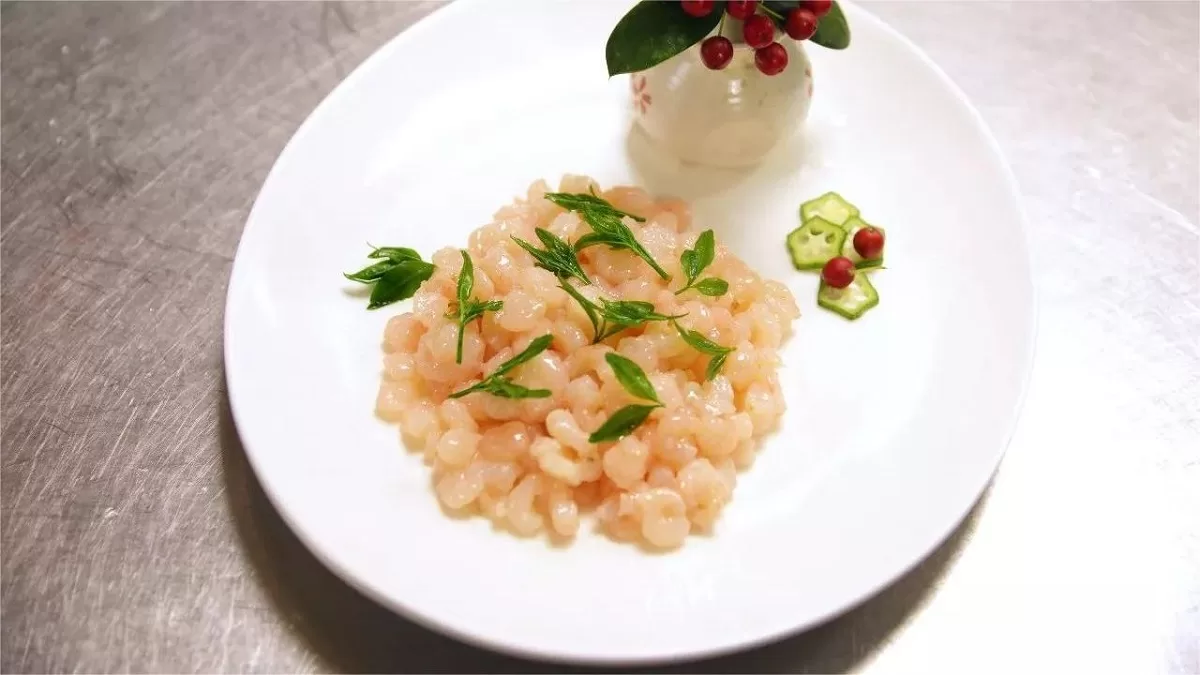
Biluo Shrimp is another delicate dish that uses fresh shrimp, sometimes paired with Biluochun tea, a famous tea from the Suzhou area. The taste is light and fresh.
This is a good dish for travellers who enjoy seafood and prefer clean, natural flavours.
Osmanthus Rice Cake 桂花糕
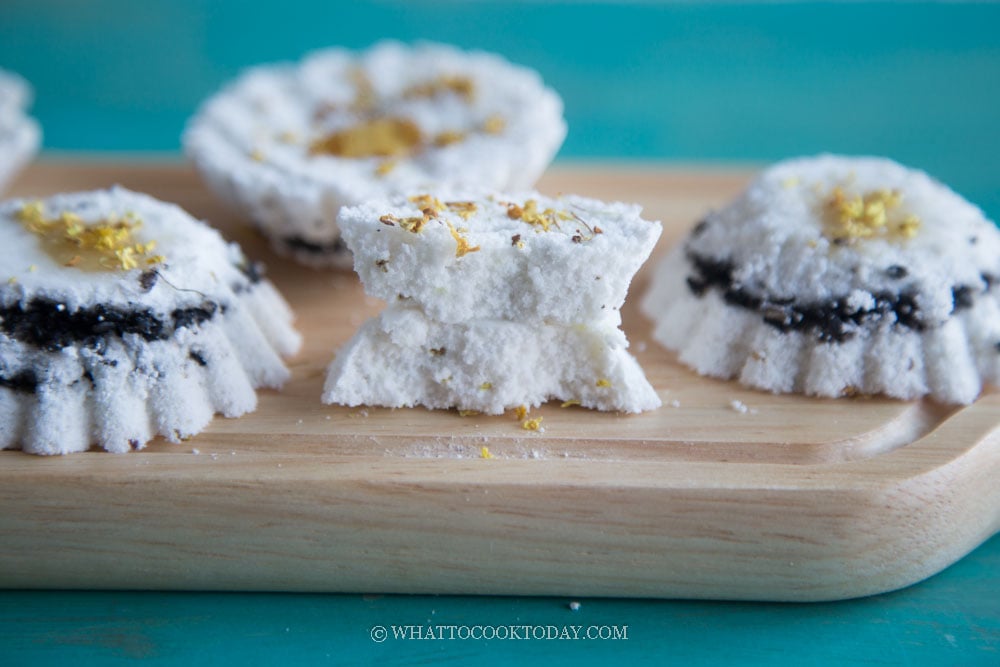
Suzhou is known for its love of delicate sweets, and osmanthus-flavoured desserts are very common in Jiangnan. Osmanthus rice cake has a gentle floral fragrance and soft texture.
It is a nice snack after visiting gardens, old streets or canal areas.
Shaoxing 绍兴
Shaoxing has a deeper, more rustic food character compared with Hangzhou and Suzhou. It is especially famous for Shaoxing yellow wine, preserved vegetables and “drunken” dishes. Shaoxing cuisine is often described through three flavour styles: preserved, drunken and sauced dishes.
Shaoxing Yellow Wine 绍兴黄酒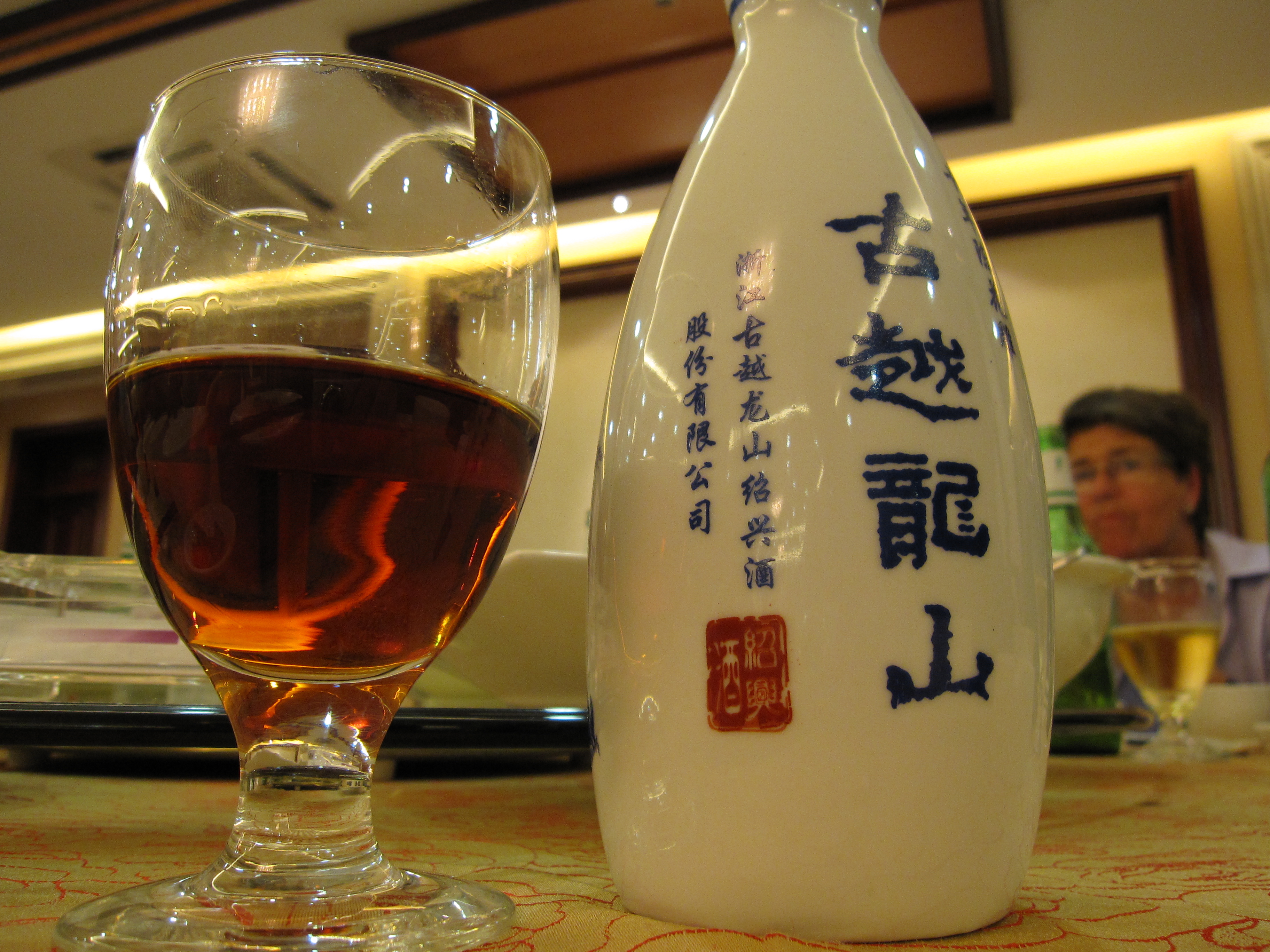
Shaoxing Yellow Wine is not just a drink — it is part of the city’s food culture. It can be enjoyed warm in small amounts or used in cooking to add aroma and depth.
If you visit Shaoxing, trying yellow wine is one of the most local experiences you can have. Pair it with small snacks for a more traditional taste.
Stinky Tofu 臭豆腐

Shaoxing stinky tofu is famous for its strong smell and crispy texture. It is usually deep-fried until golden outside and soft inside.
The smell may be surprising at first, but the taste is often milder than expected. This is one of those dishes that makes travel more memorable.
Fennel Beans 茴香豆
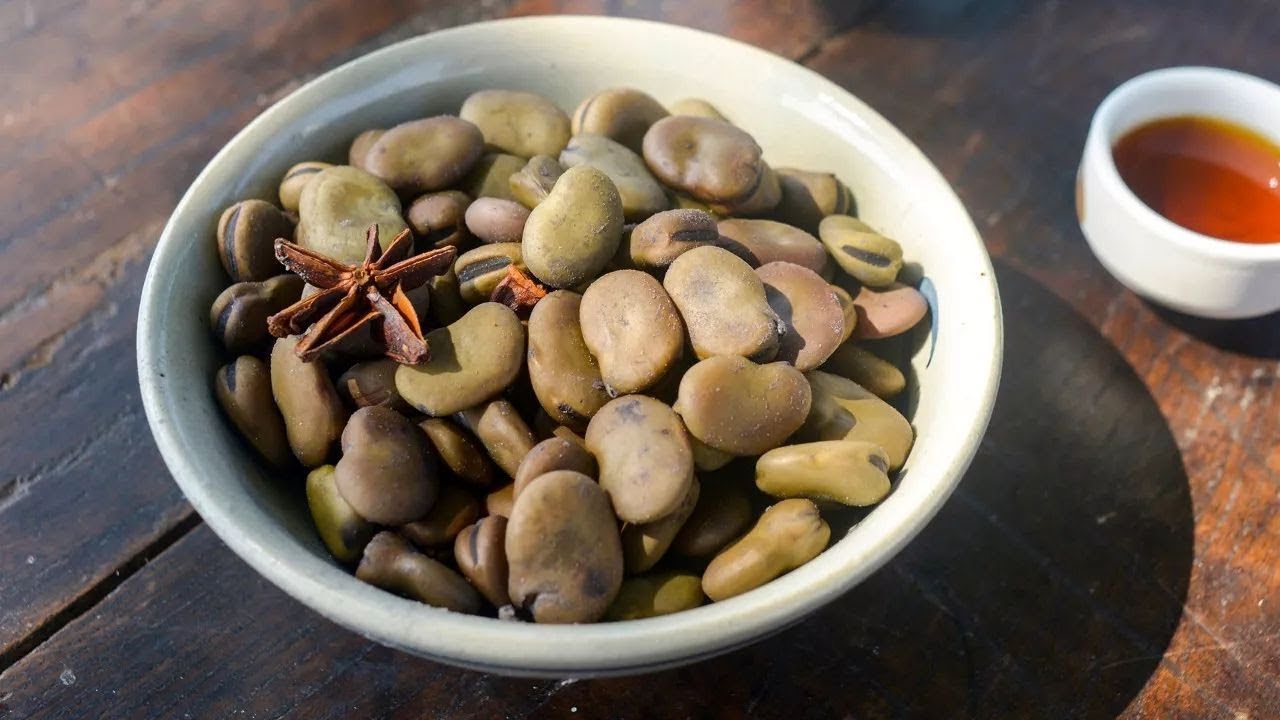
Fennel beans are a classic Shaoxing snack, often enjoyed with yellow wine. They are simple, fragrant and easy to eat while walking around the old town.
This is not a fancy dish, but it feels very local. China Daily notes fennel beans, yellow wine, stinky tofu and drunken crab as memorable Shaoxing flavours.
Drunken Chicken 醉鸡
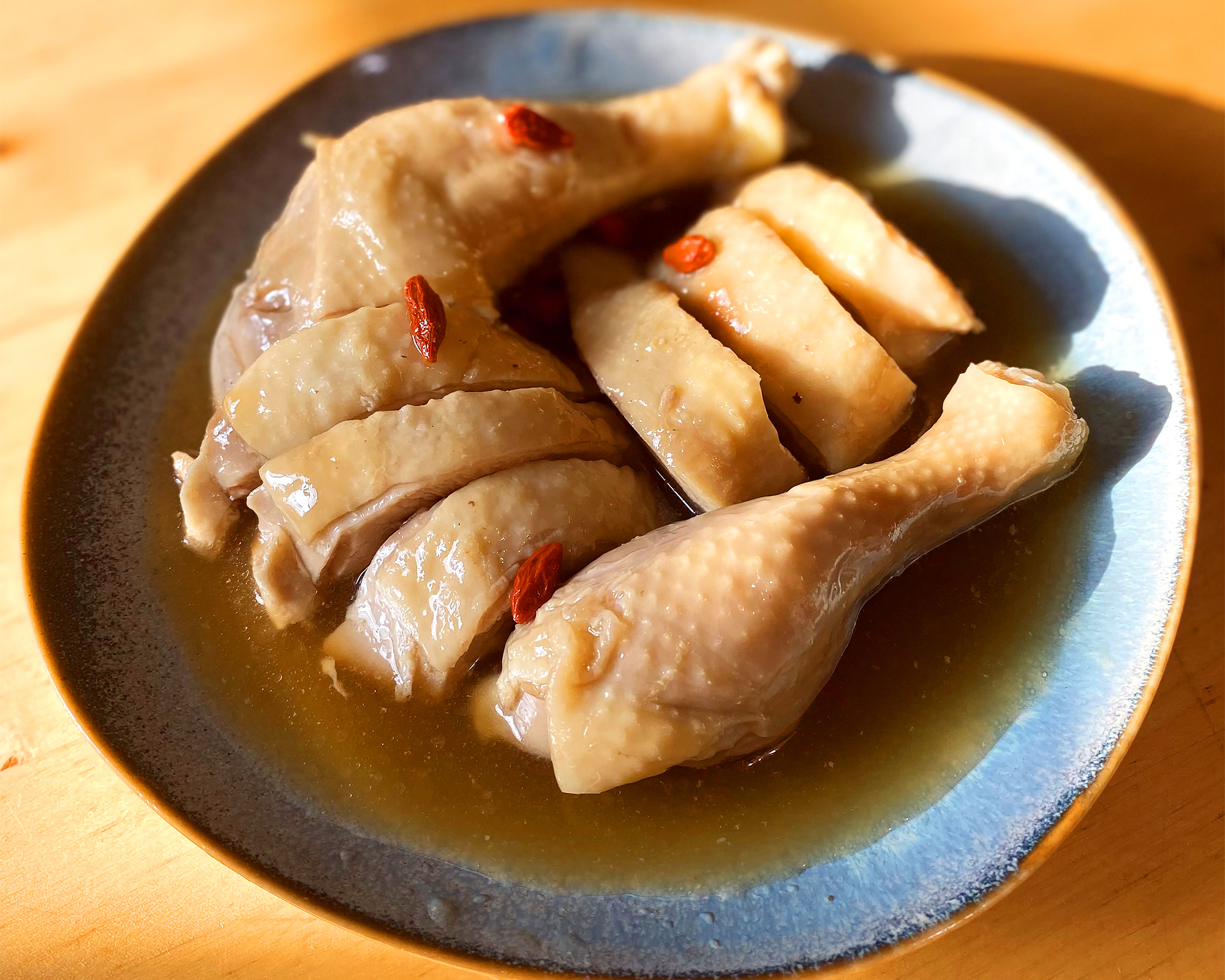
Drunken Chicken is usually served cold, with tender chicken soaked in Shaoxing wine. The dish has a strong wine fragrance but remains refreshing and smooth.
It is a good starter dish and a nice way to experience Shaoxing wine in food form.
Mei Gan Cai Pork 梅干菜扣肉
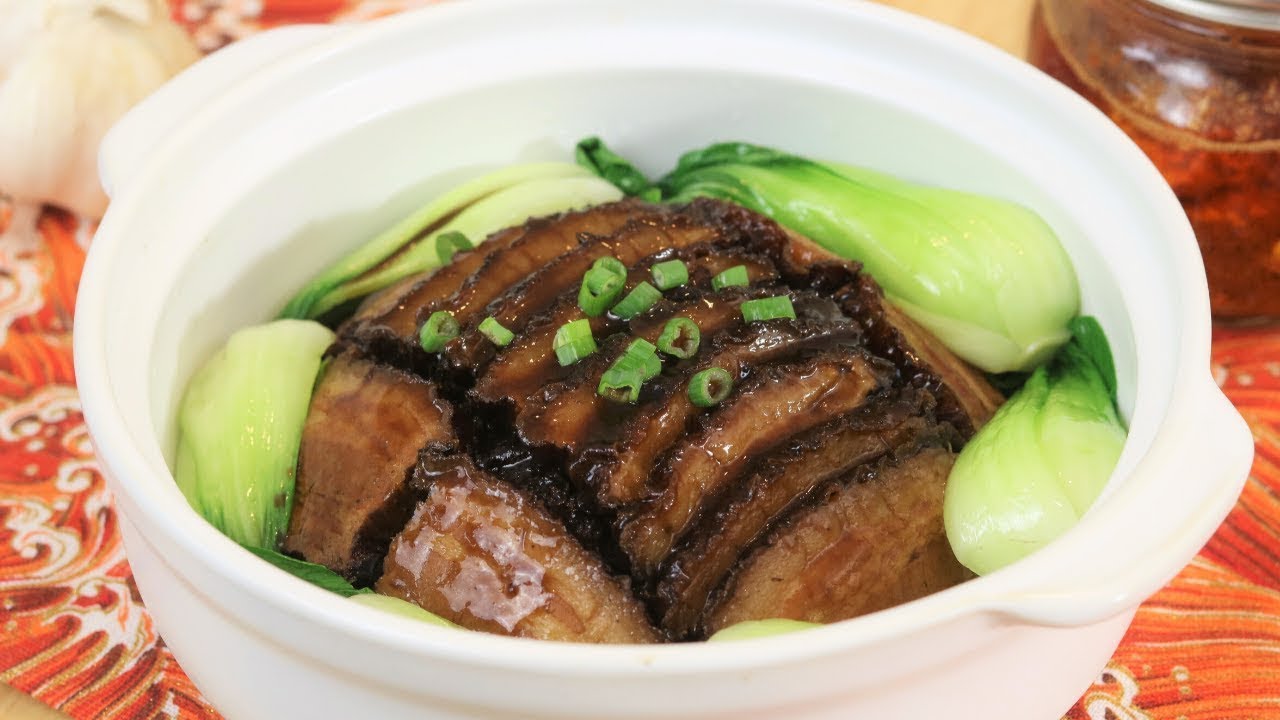
This dish is made with pork belly and preserved mustard greens. It is savoury, rich and full of umami flavour. The preserved vegetables absorb the sauce, while the pork becomes soft and tender.
It is best enjoyed with steamed rice and is perfect for travellers who like bold, homestyle dishes.
Which City Has the Best Food?
Each city has its own charm.
Hangzhou is best for elegant and balanced dishes such as Dongpo Pork, West Lake Fish and Longjing Tea Shrimp.
Suzhou is best for sweet, delicate and beautifully presented dishes such as Squirrel-Shaped Mandarin Fish and Suzhou-style noodles.
Shaoxing is best for deeper traditional flavours, especially yellow wine, preserved vegetables, stinky tofu and drunken dishes.
If you are visiting all three cities, try not to eat the same type of food every day. Choose lighter dishes in Hangzhou, sweet and pretty dishes in Suzhou, and more traditional wine-flavoured dishes in Shaoxing.
Final Travel Tip
When travelling through Hangzhou, Suzhou and Shaoxing, food is more than just a meal. It is part of the local culture, history and daily life. Some dishes may taste familiar, while others may feel completely new, but that is what makes the journey interesting.
So when you visit Jiangnan, do not only take photos of the lakes, gardens and old streets. Sit down, order something local and enjoy the flavours of the region one dish at a time.
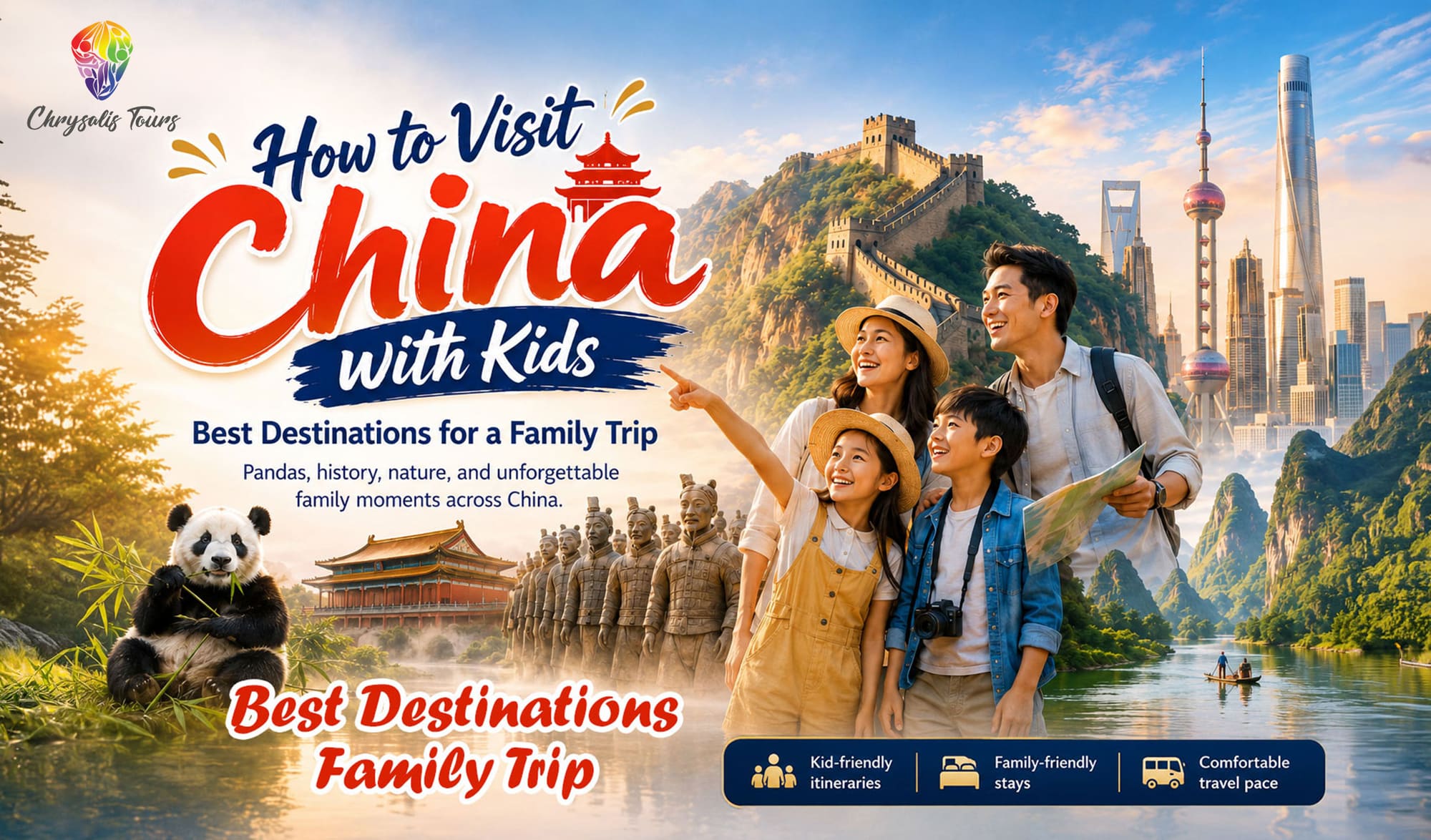
China can be a very rewarding destination for families, especially for children who enjoy history, animals, theme parks, nature, food, and new cultural experiences. From the Great Wall in Beijing to the pandas in Chengdu, the Terracotta Warriors in Xi’an, and Shanghai Disneyland, there are many places that can make the trip enjoyable for both adults and children.
At the same time, travelling in China with kids needs some planning. The country is large, some attractions involve a lot of walking, and popular places can get crowded during peak seasons. A good family itinerary should not be too rushed. It should include comfortable transport, enough rest time, and destinations that match the children’s age and interests.
Why China Is Suitable for Family Travel
China offers a good mix of learning and leisure. Children can see famous historical sites, visit modern cities, try different food, and experience places that are very different from home. For parents, it is also a destination with many choices, from cultural sightseeing to theme parks and scenic countryside.
Another advantage is that major cities in China are well connected by high-speed trains and domestic flights. This makes it possible to visit a few different cities in one trip without spending too much time on long road journeys.
For families visiting China for the first time, it is usually better to focus on two to four destinations instead of trying to cover too many places. This keeps the trip more comfortable and gives children time to enjoy each stop properly.
How to Plan a China Trip with Kids
When planning a family trip to China, the pace is important. Children may not enjoy a full day of museums, temples, or long walks, so it is better to balance sightseeing with lighter activities.
A good daily plan could include one main attraction in the morning, a relaxed lunch, and a simpler activity in the afternoon or evening. For example, a family can visit the Forbidden City in the morning, then spend the afternoon at a park, shopping street, or restaurant area.
It is also helpful to stay at least two nights in each city. Moving hotels every day can be tiring, especially with young children and luggage. Families may also want to choose hotels near main attractions, train stations, or shopping areas for easier access.
Best Destinations in China for Kids
1. Beijing: Best for First-Time Visitors and History
Beijing is one of the best cities for a first family trip to China. It has many of the country’s most famous landmarks, including the Great Wall, the Forbidden City, Tiananmen Square, the Temple of Heaven, and the Summer Palace.
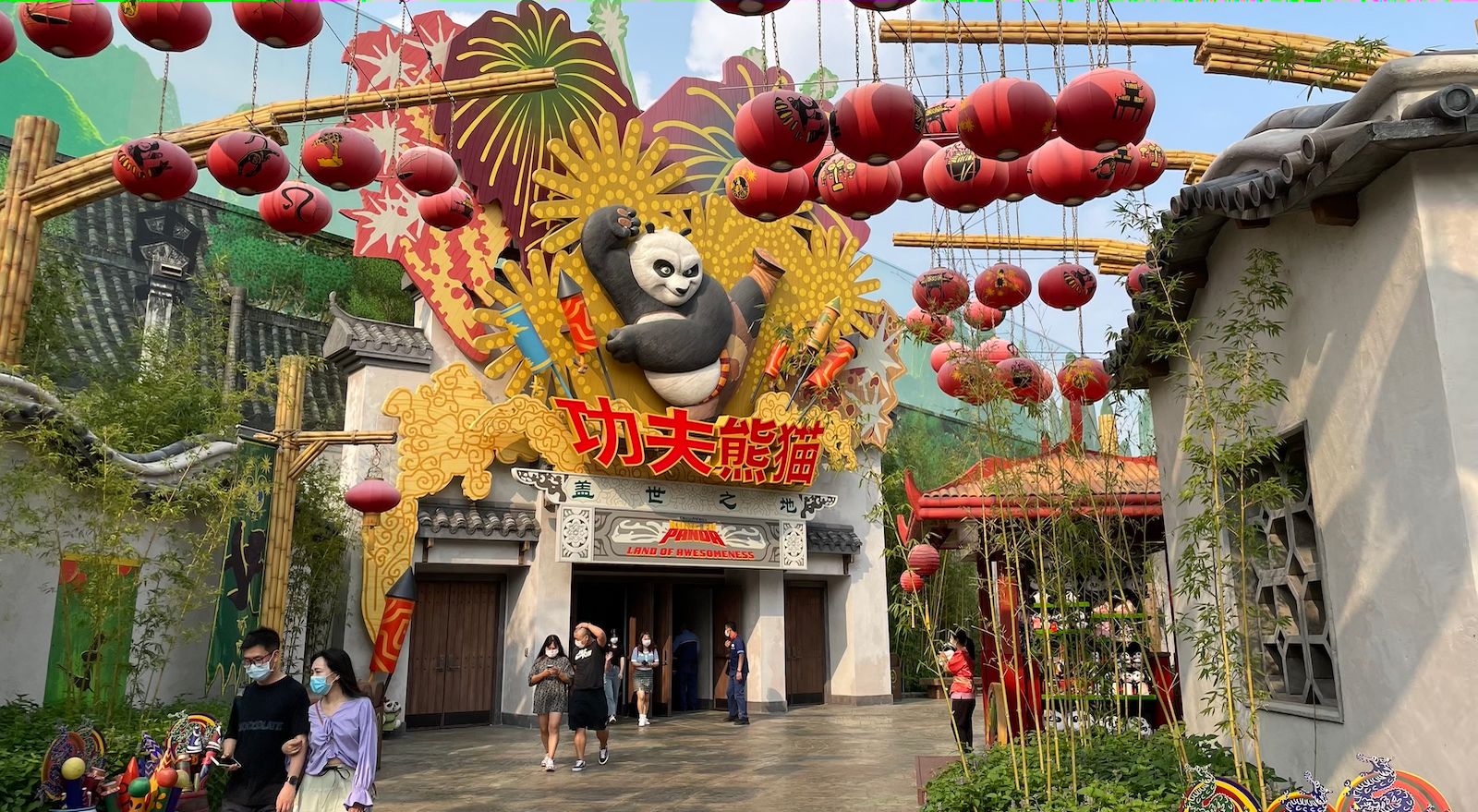 For children, the Great Wall is often the most memorable part of Beijing. It gives them a chance to see something they may have only heard about in school or seen in pictures. Families may prefer the Mutianyu section, as it is generally more manageable and suitable for visitors who want a comfortable Great Wall experience.
Beijing also has modern attractions such as Universal Beijing Resort, shopping streets, museums, parks, and cultural shows. For families with children, it is better not to include too many historical places in one day.
Best for: First-time visitors, school-age children, history, theme parks
Recommended stay: 3 to 4 nights
2. Shanghai: Best for Theme Parks and City Experiences
Shanghai is a convenient and family-friendly city for travellers who prefer a mix of sightseeing, shopping, and entertainment. It is modern, easy to move around, and has many hotel and restaurant options.
 Shanghai Disneyland is one of the main reasons many families include Shanghai in their itinerary. It can be a full-day activity and is suitable for children, teenagers, and Disney fans. Apart from Disneyland, families can visit The Bund, Yu Garden, Nanjing Road, museums, observation decks, and riverside areas.
Shanghai is also a good place to start or end a China trip because it feels comfortable for many first-time visitors. Families can enjoy both modern city views and traditional-style attractions without needing to travel far.
Best for: Theme parks, shopping, city views, easy family travel
Recommended stay: 3 to 4 nights
3. Chengdu: Best for Pandas and a More Relaxed Pace
Chengdu is a good choice for families who want a slower and more relaxed travel experience. The main highlight for children is usually the Chengdu Research Base of Giant Panda Breeding, where visitors can see giant pandas in a spacious environment.
The best time to visit the panda base is usually in the morning, when the pandas are more active. Children can observe them eating bamboo, climbing, playing, or resting.
Chengdu is also known for its food culture and teahouse lifestyle. Although Sichuan food is famous for being spicy, families can still find many non-spicy dishes such as noodles, dumplings, steamed buns, soups, and simple rice dishes.
Families with more time can also visit nearby places such as Leshan Giant Buddha, Mount Qingcheng, or Dujiangyan.
Best for: Animal lovers, pandas, food, relaxed family travel
Recommended stay: 3 nights
4. Xi’an: Best for Ancient History and Cultural Learning
Xi’an is a good destination for families who want children to learn about ancient China in a more visual way. The Terracotta Warriors are the main highlight, and many children find them interesting because of the scale and detail of the figures.
:max_bytes(150000):strip_icc()/157018214-56a39bf23df78cf7727e2ff5.jpg) Another enjoyable activity is visiting the Ancient City Wall. Older children and teenagers may like walking or cycling along parts of the wall. The Muslim Quarter is also a lively area for snacks, street food, and local culture.
Another enjoyable activity is visiting the Ancient City Wall. Older children and teenagers may like walking or cycling along parts of the wall. The Muslim Quarter is also a lively area for snacks, street food, and local culture.
Xi’an works well as a stop between Beijing, Chengdu, or Shanghai. It does not need too many nights, but it adds a strong historical element to the trip.
Best for: History, culture, older kids, educational travel
Recommended stay: 2 nights
5. Guilin and Yangshuo: Best for Nature and Outdoor Activities
Guilin and Yangshuo are suitable for families who want to include nature in their China itinerary. The area is known for limestone mountains, rivers, countryside views, caves, and peaceful scenery.
 A Li River cruise is a good way for families to enjoy the landscape without too much walking. In Yangshuo, families can also consider countryside cycling, simple hikes, cooking classes, cave visits, or cultural shows, depending on the age of the children.
This area is a nice break after busy cities like Beijing or Shanghai. It is especially suitable for families who prefer scenery and outdoor activities over shopping or theme parks.
Best for: Nature, scenery, outdoor activities, slower travel pace
Recommended stay: 2 to 3 nights
6. Hangzhou and Suzhou: Best for Gentle Scenery and Short Distances
Hangzhou and Suzhou are good choices for families who want a calmer itinerary near Shanghai. Hangzhou is known for West Lake, tea culture, temples, and lakeside views. Suzhou is known for classical gardens, canals, old streets, and traditional architecture.
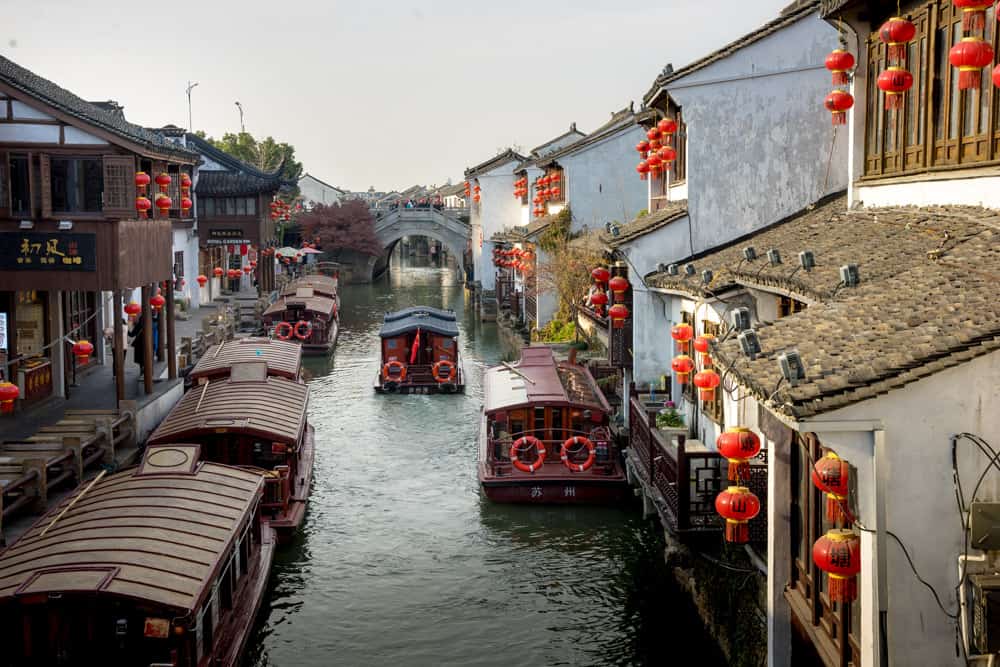 These cities are suitable for families who enjoy light sightseeing, boat rides, photography, and cultural streets. They are also easier to combine with Shanghai because the travel distances are shorter compared with other parts of China.
A Shanghai, Hangzhou, and Suzhou itinerary can be a good option for families who want a comfortable trip without too many long transfers.
Best for: Gardens, lakes, old streets, relaxed sightseeing
Recommended stay: 1 to 2 nights in each city
7. Guangzhou and Shenzhen: Best for Food, Shopping, and Short Trips
Guangzhou and Shenzhen are practical destinations for families looking for a shorter China trip. They have good food, shopping, modern attractions, and convenient city facilities.
 Guangzhou is especially suitable for families who enjoy Cantonese food, dim sum, markets, parks, and river views. Shenzhen is more modern and has theme parks, malls, museums, and easy access to Hong Kong.
These cities may not feel as historical as Beijing or Xi’an, but they are convenient and comfortable for families, especially those travelling with younger children.
Best for: Food, shopping, short holidays, younger children
Recommended stay: 2 to 3 nights
Best Time to Visit China with Kids
Spring and autumn are usually the most comfortable seasons for a family trip to China. The weather is generally better for walking, sightseeing, and outdoor activities.
Summer can be suitable because of school holidays, but some cities can be hot and crowded. Families travelling in summer should plan more indoor activities and avoid too much walking during the hottest part of the day.
Winter can also be enjoyable, especially for families who want to experience snow or northern China, but warm clothing is important. Families should also take note of major Chinese public holidays, as attractions and transport can be very busy during these periods.
Practical Tips for Travelling in China with Kids
✓ Before the trip, check visa requirements based on your passport and travel purpose. Families should also prepare travel insurance, hotel bookings, transport details, and copies of important documents.
✓ It is useful to prepare translation, map, payment, airline, and hotel apps before arriving in China. Some international apps may not work as usual, so it is better to prepare in advance.
✓ For meals, parents may want to bring some simple snacks, especially for younger children. While China has many food choices, flavours may be different from what children are used to.
✓ When planning sightseeing, avoid making the itinerary too full. Children usually enjoy the trip more when there is time to rest, eat properly, and explore at a comfortable pace.
✓ Private transfers can also be helpful for families with young children, strollers, elderly family members, or large luggage.
Suggested Family Itinerary Ideas
For a shorter trip, families can consider Shanghai and Hangzhou. This gives a good mix of Disneyland, city views, West Lake, shopping, and relaxed sightseeing.
For a classic first-time China trip, Beijing, Xi’an, and Shanghai is a good route. It includes the Great Wall, Terracotta Warriors, and Shanghai Disneyland.
For families who want pandas included, Beijing, Xi’an, Chengdu, and Shanghai offers a balanced mix of history, animals, city attractions, and theme parks.
For a nature-focused trip, Guilin, Yangshuo, Guangzhou, and Shenzhen can be a good choice, especially for families who prefer scenery, outdoor activities, food, and a slower pace.
Final Thoughts
China can be a meaningful destination for families because it offers many different experiences in one trip. Children can learn about history, see pandas, explore theme parks, enjoy nature, and experience a different culture.
The most important thing is to choose destinations that match your family’s interests and travel style. A good family itinerary should not be too rushed. It should include enough rest time, suitable hotels, convenient transport, and activities that children can enjoy.
With the right planning, a trip to China can be enjoyable, educational, and comfortable for the whole family.
Planning a family trip to China? Chrysalis Tours can help customise a child-friendly itinerary with suitable hotels, private transport, guided sightseeing, attraction tickets, and a comfortable travel pace for your family.
December 12th, 2025
How to Travel Smarter with Limited Time
Short on time doesn’t mean short on fun—here’s how to do it all.
Whether you’re squeezing in a quick getaway or adding a little adventure to a work trip, every minute counts when time is limited. But limited time doesn’t have to mean limited adventure. With a smart approach, you can savour authentic experiences, explore bucket-list destinations, and make every moment count.
Here’s how you can make the most of your precious time while travelling, with insights on planning efficiently, crafting one-day itineraries, and experiencing the best a destination has to offer—even on a tight schedule.
1. Best Time-Saving Travel Hacks
When the clock is ticking, every travel hack becomes a vital tool in your arsenal. Here are ideas that save you both time and stress:
Pack Light and Smart
Your mantra here is “less is more.” Stick to carry-on luggage to skip waiting at baggage claim, and use packing cubes to stay organised and efficient. Think neutral clothing pieces you can mix and match, and roll your outfits to maximise space.
Prioritise Direct Routes
Opt for direct flights whenever possible. It's worth spending a little more to avoid the hassle of layovers, especially if time is limited. For ground travel, choose high-speed trains or private transfers to shave hours off your commute.
Check-In Online
Don’t waste time queueing at the airport. Checking in online and downloading digital boarding passes mean you can breeze past the lines and head straight to security.
Go Digital with Travel Docs
Store everything from tickets to hotel confirmations on your phone. Apps like TripIt or Google Travel make accessing your plans a click away while reducing the risk of losing important paperwork.
Leverage Local Expertise
Consider booking private guides or touring services. Not only do they know the fastest routes, but they also unlock local secrets, sparing you the guesswork.
With these hacks, your travel time transforms from painstakingly long hours into streamlined, enjoyably efficient experiences.

2. Planning One-Day Itineraries
A single day in a destination might seem overwhelming, but with curated planning, you can cover a lot of ground—and still have time to breathe. Here’s how to map out your perfect one-day adventure.
Start with a Focus
What’s your priority—culture, nature, gastronomy, or landmarks? Picking a central theme for the day allows you to design an itinerary that aligns with your interests without spreading yourself thin.
Morning Magic
Begin your day with an early start. Iconic landmarks are often quieter in the morning, so you’ll avoid both the crowds and midday heat. For example, if you’re in Paris, head to the Louvre the moment it opens to enjoy a more intimate look at its masterpieces.
Midday Recharge
Schedule a mindful lunch break, and don't hesitate to indulge in local specialities. This isn’t just about refuelling—it’s a way to connect with the culture. Whether it’s tapas in Barcelona or street food in Bangkok, mealtime can still be a bucket-list experience.
Cluster Activities by Location
Plan your stops so they’re geographically close—it’s far more efficient. For instance, in Rome, explore the Colosseum and Roman Forum in one area before moving to the Pantheon and Piazza Navona.
Leave Room for Discovery
Schedule downtime between activities for spontaneous discoveries, whether it’s a quaint alleyway café or a lively street performance. These unplanned moments can end up being the highlight of the day.
The secret to success? Simplicity. Don’t try to see it all—just choose the best the destination has to offer, and experience it fully.

3. Maximising Short Visits to Big Destinations
Big cities and sprawling destinations can seem daunting with limited time, but by narrowing your scope, you can savour the highlights without the overwhelm.
Opt for Personalised Routes
Skip the generic bus tours and opt for bespoke itineraries crafted to your tastes. Love food? Book a culinary tour. Interested in history? Choose an expert-led architectural walk. Services like ours tailor every detail around your preferences, ensuring each moment delivers maximum value.
VIP and Off-Peak Access
Big destinations might come with big crowds, but VIP experiences can bypass the masses. Think skip-the-line tickets for world-famous attractions or private evening tours when sites are less busy. For example, the Egyptian Museum in Cairo or the Vatican Museums at night offer a unique, tranquil experience.
Think Small While Exploring Big
Sometimes the most memorable moments in famous destinations happen in unassuming places. While Eiffel Tower views are breathtaking, sipping coffee at a tucked-away Parisian café can feel just as magical. Build in time for these micro-adventures—they balance the grandeur with the personal.
Make Use of Transition Times
Turn long walks and travel time around the city into part of the adventure. Walking, biking, or even opting for shared electric scooters provide unique and immersive ways to get around while treating you to unbeatable sights.
By bringing this level of intentionality to your short visits, you turn rushed travel into rich exploration.
Time-Saving Meets Memorable
Travelling smarter is all about balance—cutting inefficiency without cutting corners on enjoyment. With the right strategies, you can create meaningful and fulfilling journeys, even when the clock isn’t on your side.
Whether it’s leveraging savvy travel hacks, mapping efficient day itineraries, or experiencing the best of major destinations in innovative ways, there’s always a way to make the most of your time on the road.
Level up your travel game and maximise your precious time—start here!
Ready to explore more in less time? Our expert-planned itineraries handle the logistics—so you only pack in the highlights.
December 11th, 2025
How to Treat Diarrhea Quickly: Essential Tips for Travelers
When you're traveling, the last thing you want is for diarrhea to ruin your adventure. This common issue, known as traveler’s diarrhea, can strike suddenly, leading to discomfort and dehydration. Understanding how to treat it promptly can save your trip and keep you feeling your best.
What Causes Traveler's Diarrhea?
Traveler's diarrhea occurs when you consume food or water contaminated with bacteria, viruses, or parasites. The most common cause is bacteria, especially Escherichia coli (ETEC), which makes up 80-90% of cases. Viruses like norovirus and parasites like Giardia can also contribute but are less frequent.
Symptoms to Watch For:
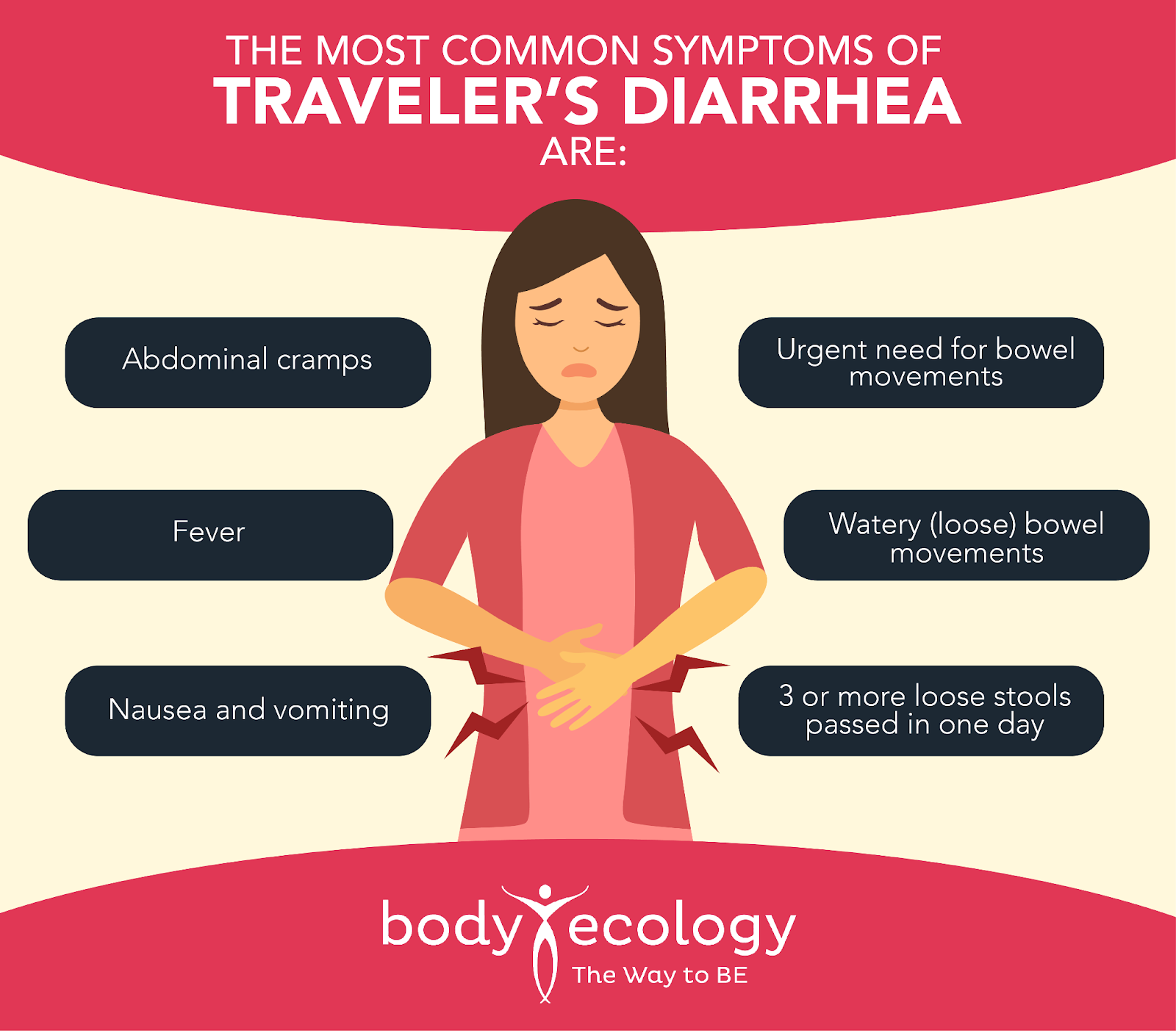
If you experience sudden loose, watery stools, it’s likely traveler’s diarrhea. Other symptoms may include:
- Frequent bowel movements
- Stomach pain or cramps
- Nausea or vomiting
- Bloating
- Fever
In some cases, diarrhea may be severe and accompanied by blood in the stool. While it generally lasts less than a week, knowing when to seek medical help is essential, especially if you experience high fever, severe pain, or signs of dehydration.
Immediate Steps for Relief
1. Stay Hydrated
When you have diarrhea, your body loses fluids quickly, so staying hydrated is crucial. Drink plenty of clear liquids like water, or better yet, use oral rehydration solutions (ORS). You can make your own ORS by mixing:
- ¾ teaspoon salt
- 2 tablespoons sugar
- 1 quart of boiled or bottled water
2. Take Over-the-Counter Medications
Medications like loperamide (Imodium) can help slow down bowel movements, giving your intestines more time to absorb fluids. Bismuth subsalicylate (Pepto-Bismol) can also help balance fluid movement in your gut. However, these are not recommended for children, pregnant women, or people allergic to aspirin.
3. Adjust Your Diet
Stick to a bland diet. Start with clear liquids and broths, and once symptoms begin to improve, transition to the BRAT diet:
- Bananas (rich in potassium)
- Rice
- Applesauce
- Toast
These foods are easy on the stomach and can help firm up stools. Avoid dairy, caffeine, alcohol, spicy or fried foods, and anything high in fiber while you recover.

Natural Remedies for Relief
1. Probiotics
Probiotics can help restore the balance of good bacteria in your gut. Certain strains like Lactobacillus and Saccharomyces boulardii may shorten the duration of diarrhea. Though they aren't a guaranteed fix, probiotics can provide gentle support for recovery.
2. Herbal Teas
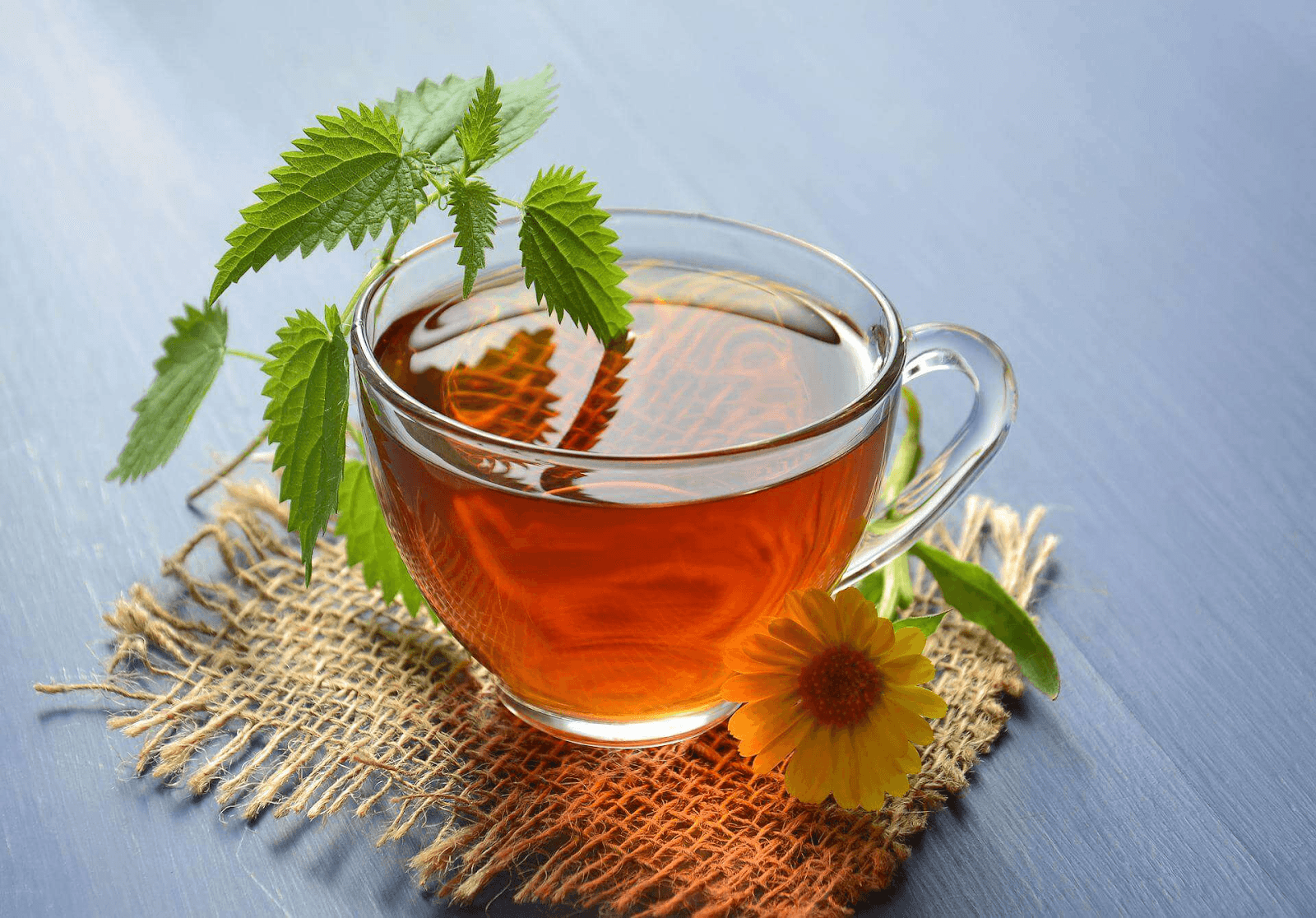
Drinking herbal teas can soothe your digestive system. Peppermint and ginger tea, in particular, can reduce nausea and help with digestion. Chamomile tea can also calm an irritated stomach.
Prevention Tips for Future Travels
Food and Water Safety
To prevent diarrhea in the first place:
- Drink bottled water, avoid ice, and steer clear of tap water.
- Opt for thoroughly cooked food and fruits you can peel.
- Avoid raw salads and uncooked meats.
Hygiene Practices
Frequent handwashing with soap and water is essential. If soap isn't available, use hand sanitizer with at least 60% alcohol. Avoid touching your face with unwashed hands to minimize the risk of ingesting harmful bacteria.
Traveler's diarrhea can be a major inconvenience, but by following these quick treatment tips, you can minimize its impact and recover swiftly. Stay hydrated, adjust your diet, and use over-the-counter medications or natural remedies as needed.
By practicing food and water safety, maintaining good hygiene, and being prepared with rehydration solutions, you can enjoy your travels without worry.
December 11th, 2025
Travel Solo, Explore Together: The Surprising Perks of Group Tours
Solo travel doesn’t have to mean going it alone. Here’s how group tours unlock safety, friends, and hidden joys—without losing your independence.
Travelling solo has its undeniable charms—freedom to set your own schedule, opportunities for self-discovery, and the thrill of navigating new destinations on your own. But, as any experienced solo traveller can attest, it can also come with challenges like safety concerns, moments of loneliness, or the overwhelming task of planning every detail.
That’s where group tours step in. Designed to combine the independence you value with built-in support and camaraderie, they offer solo travellers an ideal way to explore the world. Whether you’re a first-timer or an experienced explorer hesitant about group dynamics, here’s how group tours can enhance your travel experiences.
A Built-In Safety Net
Solo travel often means shouldering the responsibility for your safety, but in group tours, you gain an added layer of security. Trusted operators vet destinations, accommodations, and activities, ensuring you’re not walking into risky situations. Knowing there’s a local guide on hand who’s fluent in the language, equipped with area knowledge, and experienced at handling emergencies provides peace of mind.
Consider this: What if you lose your wallet in a bustling foreign market or, worse, fall ill in an unfamiliar city? A reliable group operator takes care of those situations effortlessly, handling everything from translations at the hospital to retrieving lost items, letting you recover and focus on enjoying your trip.
Recent insights from the Solo Traveler Reader Survey underscore this sense of security—90% of respondents said they prefer an escorted tour some or all of the time. Why? Many shared that group tours make it possible to visit places they wouldn’t feel confident tackling solo, and they value having experts handle logistics and navigate safety concerns along the way.
Connections Without Compromising Independence
One of the biggest concerns for solo travellers considering group tours is this question: “Will I fit in?” The fear of clashing personalities or feeling out of place can be daunting. However, modern group tours are no longer one-size-fits-all. They attract like-minded adventurers who share similar interests, whether that’s hiking, food culture, or historical deep dives.
These tours also strike a balance between shared experiences and personal freedom. For example, you might bond with fellow travellers over a sunrise jungle trek but still have time later in the day to explore the local markets solo. Many itineraries are built to provide that balance, catering to your social side while respecting your need for alone time.
Simplified Logistics for a Stress-Free Journey
Researching destinations, comparing transport options, and planning an efficient itinerary are some of the least glamorous parts of travel. For solo travellers, this can quickly become overwhelming—and that’s before factoring in language barriers and unfamiliar road systems. Joining a group tour simplifies all of this.
Itineraries are pre-organised with seamless connections, freeing you from the guesswork. Instead of poring over maps or navigating confusing bus schedules, you can focus on soaking up the sights and sounds that drew you to the destination in the first place.
Plus, many tours now include sufficient flexibility for solo adventurers to expand their experience. Some even allow you to customise additional private days around the main itinerary.
Myth vs. Fact How to Get Started
| Myth | Fact |
| Group tours are rigid and leave no room for personal exploration. | Many group tours now build in free time, offering flexible schedules that let solo travelers follow their own interests. From unstructured afternoons to optional add-ons, you’ll always have choices. |
| Group tours are impersonal and awkward. | Small group sizes and curated itineraries actually foster meaningful connections. You might even walk away with lifelong friendships—or, at the very least, a new WhatsApp group filled with memories. |
| Group tours are expensive. | While private solo travel can quickly add up with single occupancy fees and custom logistics, group tours often offer better value by pooling resources for transport, guides, and accommodations. |
If you’re considering your first adventure, there’s a certain magic in setting out with a group—whether you come with friends or join on your own. Travelling with others creates an instant community, allowing connections to grow naturally from that very first walk or shared meal.
At Chrysalis Tours, our journeys are designed to gather curious minds and adventurous spirits. Each trip brings together a group, so you’re always part of a lively circle ready to share discoveries and stories along the way. The structure of our departures means you’re never far from new friendships, laughter, and support throughout every stage of the journey.
December 9th, 2025
Vietnam: A Culinary Journey
Your travel guide just got a lot tastier. We're taking you on a culinary expedition through Vietnam, where every bite tells a story and every dish is a cultural masterpiece.
Few places in the world can rival Vietnam’s extraordinary bond with food. Here, meals are more than sustenance—they’re a reflection of history, geography, and community. From the steaming bowls of phở found on Hanoi’s bustling streets to the delicate white rose dumplings of Hoi An, Vietnam's cuisine tells a story as rich as the flavours it delivers.
For travellers seeking an immersive and sensory experience, Vietnam is a feast for the soul. This guide explores why Vietnam is unparalleled for food tourism, the must-try dishes every traveller should sample, and the hands-on culinary experiences that connect you to its vibrant food culture.
Vietnam’s Culinary Uniqueness
Vietnam’s cuisine is a mosaic of regional diversity, shaped by its landscape and historical influences. The northern highlands, central coast, and southern delta each bring their own character to the table, creating a tapestry of flavours that represent the heart of the nation.
The Geography of Taste
The geography of Vietnam heavily influences its culinary landscape. The cooler, mountainous north favours hearty, warming dishes, such as phở in Hanoi—its clear, savoury broth echoing the simplicity of the region. Central Vietnam, with its imperial city of Hue, brings bold, spicy flavours often associated with royal recipes. Meanwhile, the southern delta, with its tropical abundance, weaves sweetness and vibrant herbs into its dishes, as seen in gỏi cuốn, fresh spring rolls stuffed with aromatic greens.
A Historical Legacy
Vietnam's cuisine bears the unmistakable marks of its history. French colonisation introduced ingredients like baguettes, pâté, and coffee, blending them seamlessly into Vietnamese favourites like bánh mì and cà phê sữa đá (Vietnamese iced coffee). Chinese influence is evident in noodle dishes and the widespread use of soy-based ingredients, while indigenous traditions give pride of place to fish sauce—a defining staple that ties almost every dish together.
Food in Vietnam is cultural DNA expressed on a plate. It’s the harmony of salty, sweet, sour, and heat—a symphony of flavours designed to ignite your taste buds at every turn.
Must-Try Dishes & Where to Find Them
No trip to Vietnam is complete without savouring its iconic dishes. Each bite introduces you to layers of flavour, texture, and cultural significance. Here are five unmissable Vietnamese culinary gems and where to experience them at their finest.
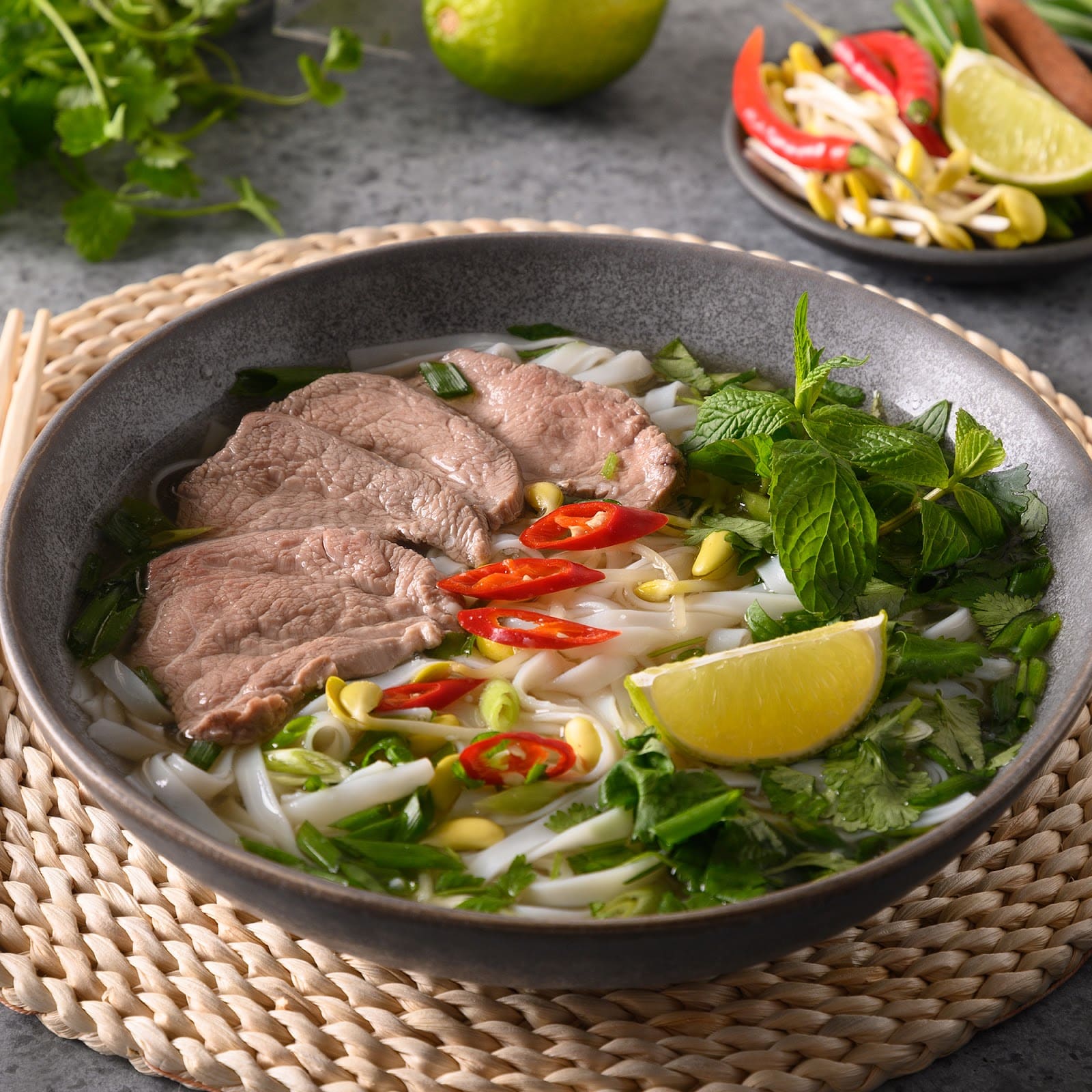
1. Phở – Hanoi
Few dishes are as synonymous with Vietnam as phở—a simple yet complex noodlesoup traditionally made with beef or chicken. The magic lies in its broth, simmered for hours with bones, star anise, and cinnamon.
Where to Try: Phở Gia Truyền in Hanoi is legendary for its traditional take. Pull up a low plasticstool, order phở tái lăn for seared beef, and listen as locals debate the merits of broth clarity.
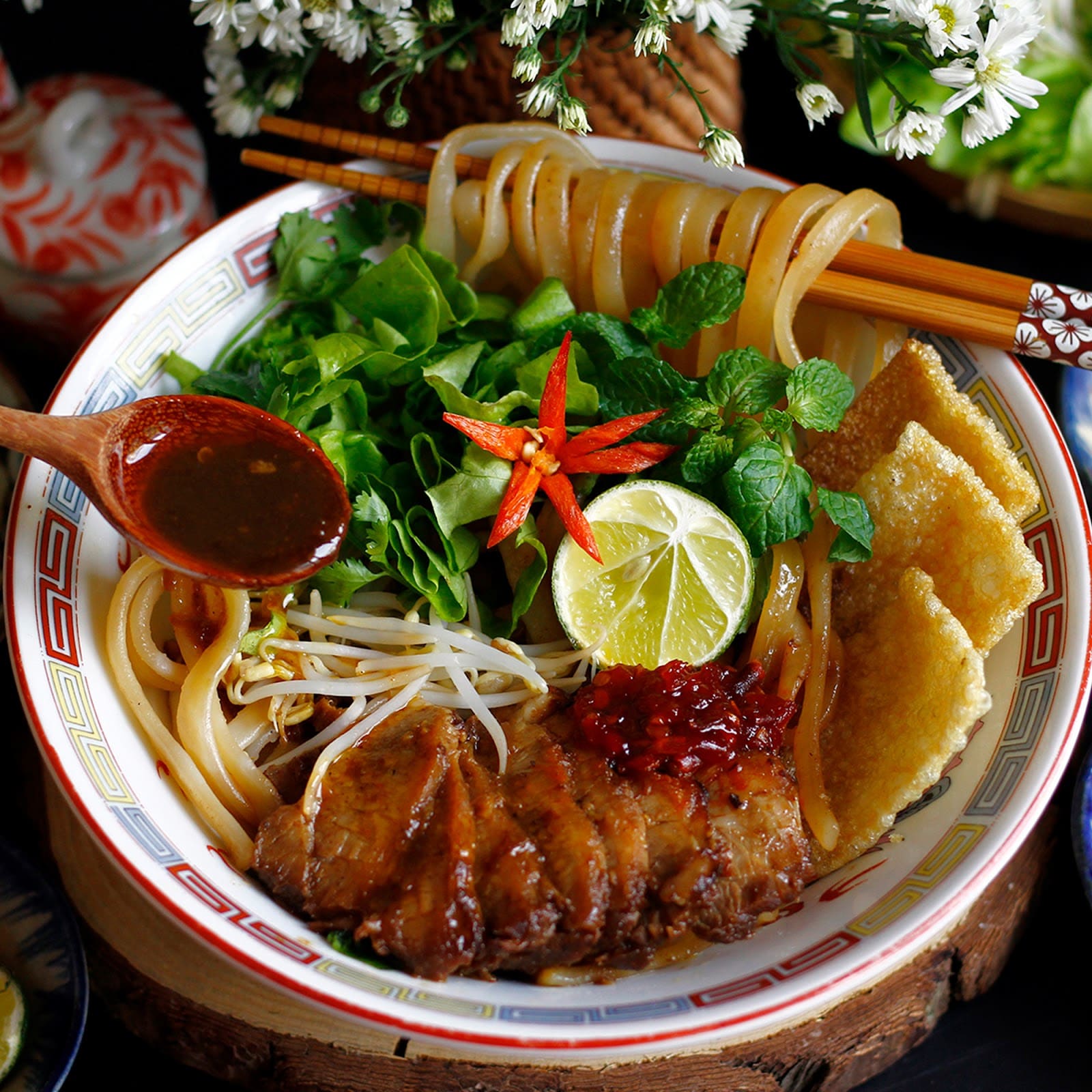
2. Cáo Lầu – Hoi An
This regional speciality is a testament to Hoi An’s unique culinary heritage. Thick noodles, inspired by Japanese udon, are paired with pork slices, fresh greens, and crispy croutons—a fusion born out of the town’s trading history.
Where to Try: Wander into the alleys of Hoi An to find family-run stalls like Cao Lầu Thanh, where the noodles are made with water from the town’s ancient wells for an irreplicable taste.
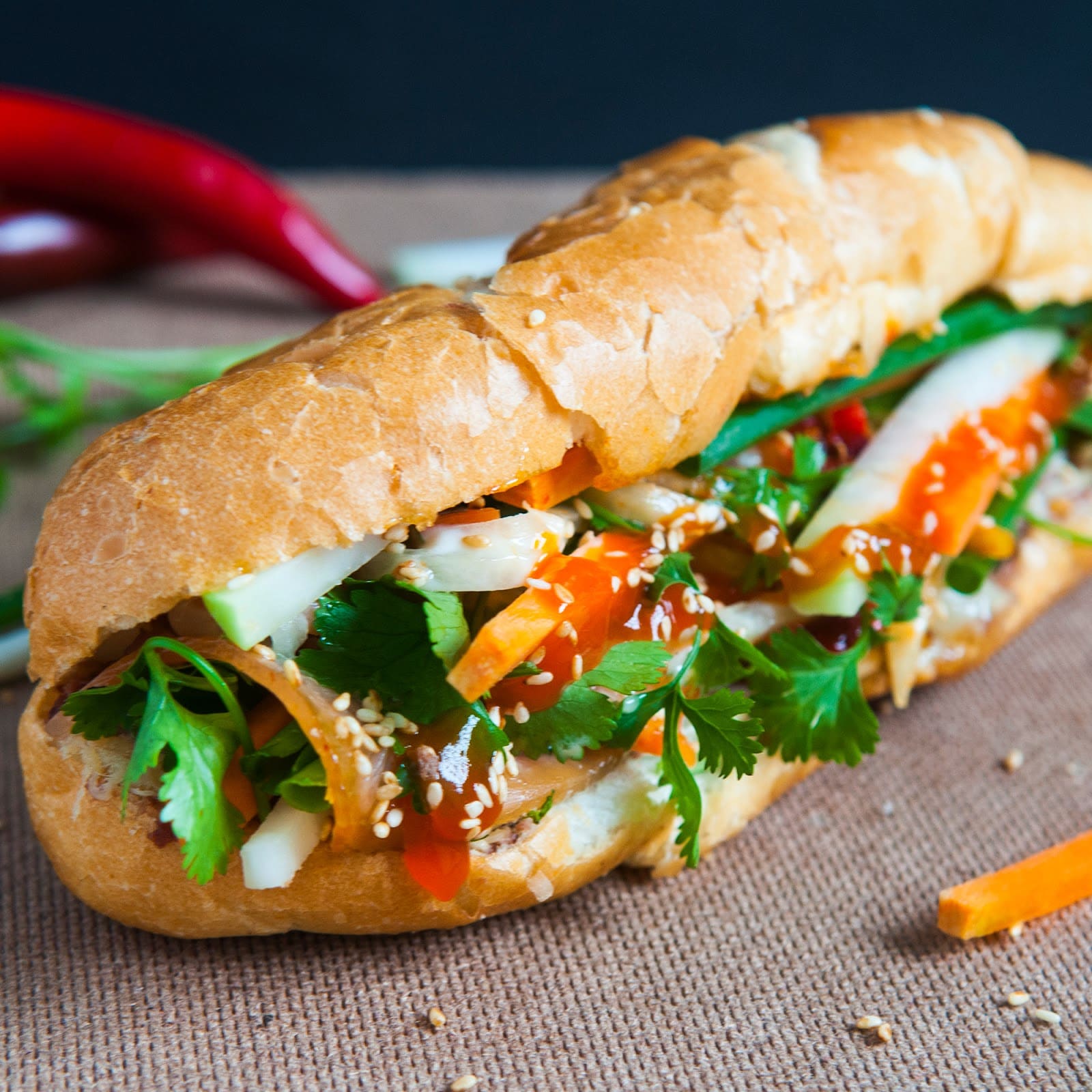
3. Bánh Mì – Saigon
Vietnam’s answer to the sandwich is anything but ordinary. Crispy baguettes cradle layers of pork, pâté, pickled vegetables, and fiery chili sauce.
Where to Try: Bánh Mì Huynh Hoa in Saigon is a cult spot for heaping portions and perfected balance. Arrive early—it’s a favourite within and beyond the city.
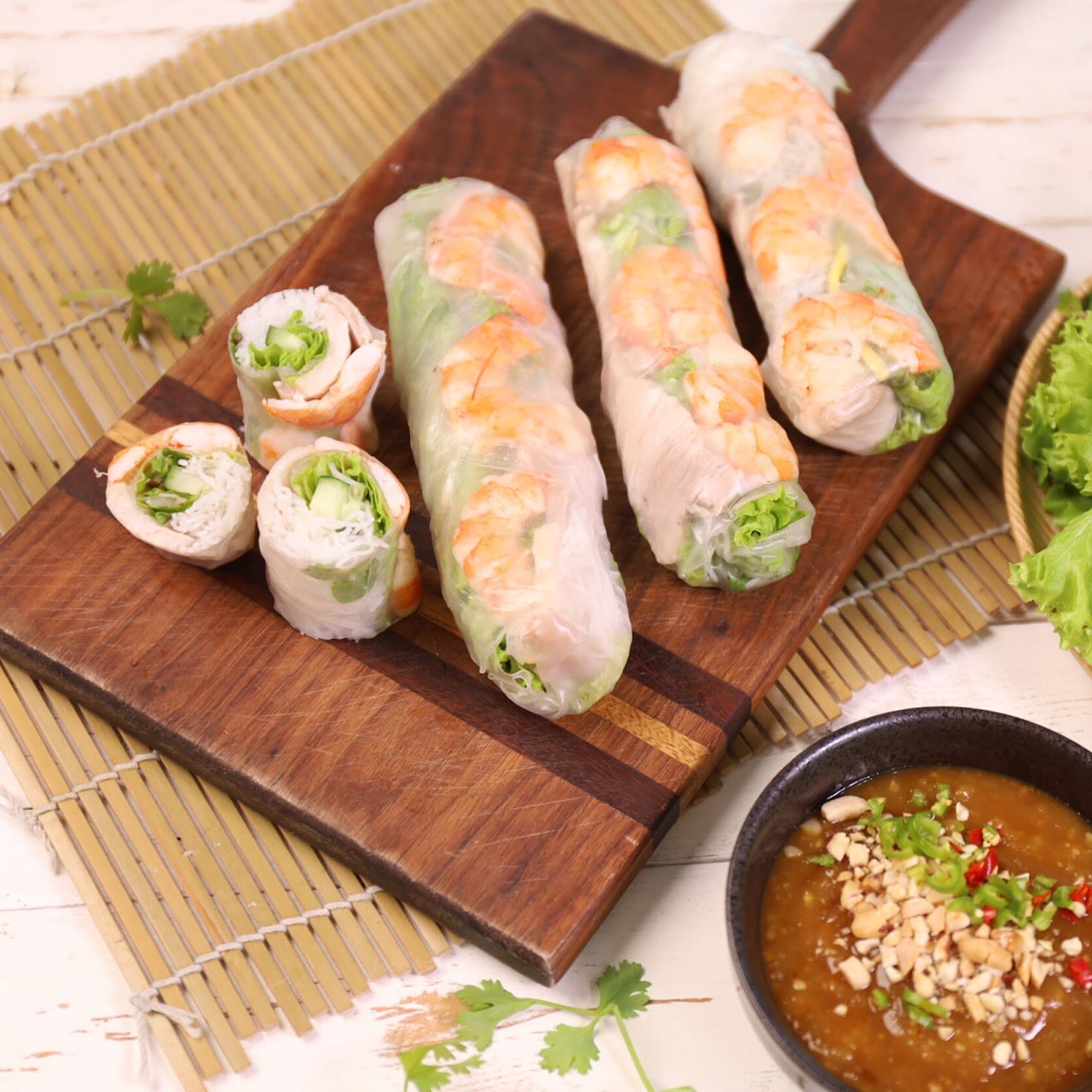
4. Gỏi Cuốn – Across Vietnam
These fresh spring rolls are a picture of delicate flavours, with prawns, vermicelli, and herbs wrapped in translucent rice paper. Dip them into a tangy peanut or fish sauce for a burst of refreshment.
Where to Try: Head to Thanh Tâm in Hue, where the rolls are stuffed with fragrant herbs unique to the central region.
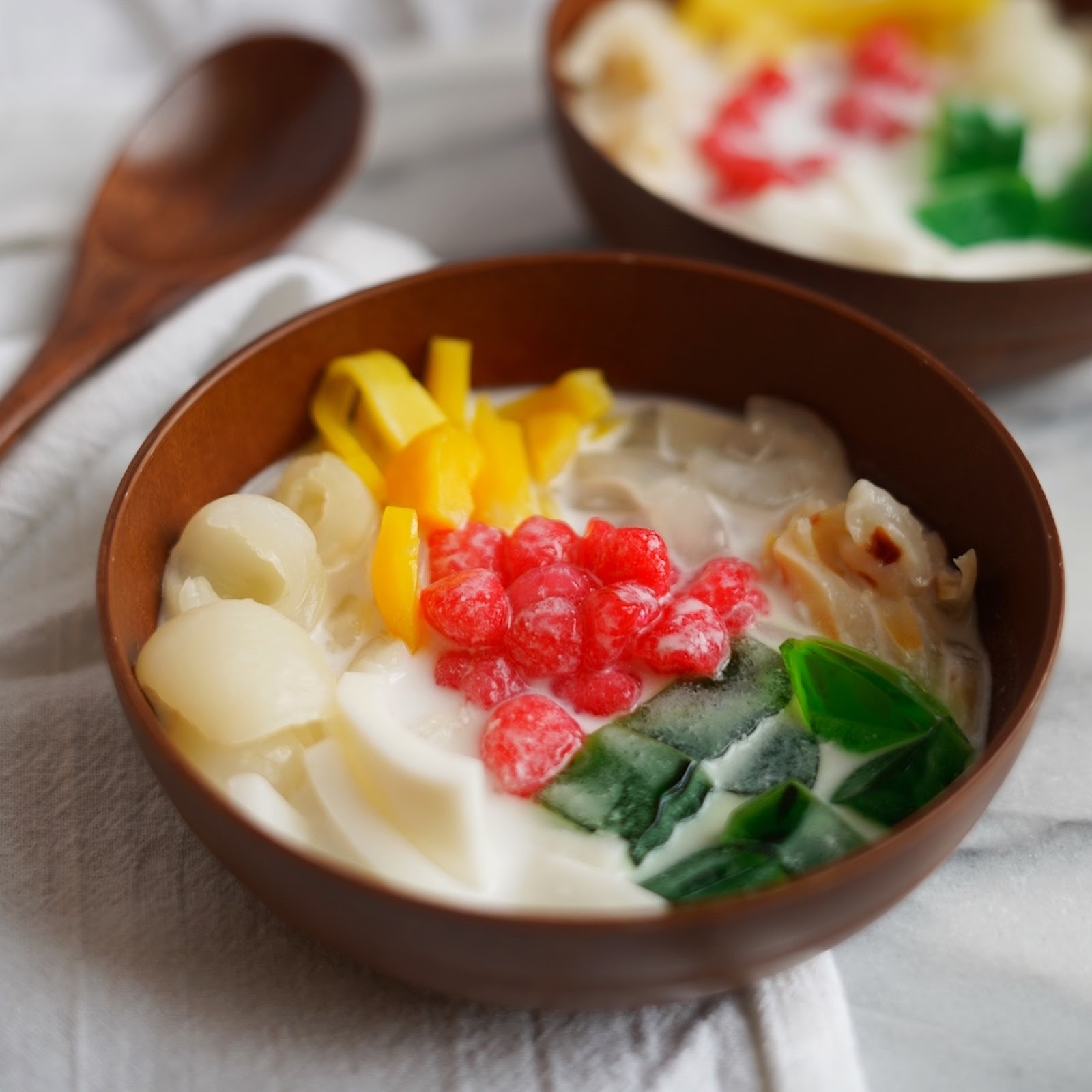
5. Chè – Hue
Dessert lovers, rejoice! Chè is a sweet, soupy concoction made with ingredients like mung beans, tapioca, and coconut cream, served hot or cold. Every bite is textured comfort.
Where to Try: O Xuân in Hue offers chè served traditional style, complete with cooked lotus seeds that reflect the central region’s elegance and reverence for detail.
Pro Tip: Don’t shy away from asking the vendor for their regional speciality—Vietnamese street food thrives on local passion and pride.
Hands-On Culinary Experiences
Eating is just the beginning of Vietnamese food culture. To truly connect with the country’s culinary roots, immerse yourself in the art of preparation. Vietnam offers countless opportunities to roll up your sleeves and learn to craft its delicacies.
Hoi An’s Market-to-Table Classes
Hoi An is a culinary playground. Join a market tour to pick herbs and spices straight from the source. At cooking classes like those offered by Red Bridge Cooking School, travellers learn to prepare quintessential dishes like white rose dumplings—legendary rice flour parcels filled with shrimp.
Picture yourself crafting the perfect dumpling as a guide shares stories of the dish’s origin. This isn’t just a cooking class—it’s a lesson in how food and tradition intertwine.
Morning Markets and Street Food Safaris
Start your day in Hanoi with a street food tour that winds through morning markets. Learn how fish sauce is fermented in fishing villages, or watch how bánh cuốn (steamed rice rolls) are folded over red-hot charcoal as vendors share their family tricks.
For a unique twist, visit the Mekong Delta’s floating markets. Buy fresh produce from shifting boats and savour tropical fruits that taste impossibly sweet when eaten riverside.
The Stories Behind the Ingredients
Vietnam’s flavours run deeper than the taste buds. Take mắm tôm (fermented shrimp paste) as an example—an ingredient cherished in rural fishing villages, where preserving seafood ties the past with the present. Experiencing these stories firsthand transforms food from a fleeting pleasure to a meaningful connection.
A Journey for the Senses
Vietnam invites every traveller to eat, explore, and belong. Its cuisine is a testament to balance—between simplicity and complexity, tradition and invention, local and global influences. From the first sip of broth to the last crumb of bánh mì, every bite tells a story that goes beyond the plate.
Remember the first time you tasted something unforgettable? Vietnam delivers that daily.
December 3rd, 2025
How to Choose the Perfect Tour Package for Your Travel Style
Not all tours are created equal. Pick the wrong one, and you’ll dread your vacation. Pick the right one, and it’s pure magic—here’s how.
If you’ve ever felt lost in a sea of travel options, you’re not alone. Sometimes, too many choices can cloud what really matters—matching your journey to your unique personality and goals. Instead of rushing to book the first package that pops up, take a moment to explore what makes travel meaningful for you. This guide is designed to help you reflect on your true preferences and connect each travel style to the experiences that will resonate most, whether you crave adventure, luxury, cultural depth, shared family moments, or solo exploration.
For the Thrill-Seeker: Adventure Tours
Do you feel most alive paddling through rapids, hiking rugged peaks, or diving beneath the waves? Adventure tours are for those who find renewal in the wild and seek to test their limits.
Pause and Consider:
- Do you long for active experiences in nature, or do you prefer to admire the views from a comfortable spot?
- How much challenge feels invigorating—and where is your comfort zone’s edge?
- Would you benefit from a curated mix of adrenaline and downtime, rather than a packed schedule?
The beauty of adventure travel is in finding a pace and style that energizes you—whether that’s tackling one great expedition or savoring quieter moments between thrills. There are packages designed to help you strike this balance, often integrating local wisdom and hidden gems to elevate your experience.
For the Luxe Lover: Luxury Tours
Comfort, refinement, and once-in-a-lifetime experiences might speak to you most. Luxury tours are less about extravagance, more about seamless enjoyment and feeling cared for at every turn.
Pause and Consider:
- What makes you feel truly rested on vacation—a gorgeous spa, attentive service, private guides?
- Do you appreciate having all the details handled, from gourmet meals to exclusive access?
- Is privacy a non-negotiable, or do you enjoy meeting like-minded travelers in intimate, curated settings?
Luxury doesn’t have to mean disconnected from culture or place. The right package can combine personalized touches and authentic encounters for a richer, more meaningful trip.
For the Culturally Curious: Cultural Immersion Tours
If you’re fascinated by how people live, work, and celebrate around the world, cultural immersion might be your style. These journeys revolve around learning, conversation, and connecting through local food, art, and tradition.
Pause and Consider:
- Do you love to wander markets, visit museums, or take part in community events?
- Are you open to hands-on activities, like cooking or crafting, alongside locals?
- Would you rather linger in one place and go deeper, or collect a mosaic of cultural experiences across regions?
The best cultural tours help you step beyond sightseeing into genuine understanding. Flexible, locally informed itineraries can adapt to your interests and curiosity, ensuring each day brings a new perspective.
For Family Bonding: Family-Friendly Tours
Traveling together as a family can be a source of lifelong memories—if the experience fits everyone’s needs. Well-crafted family tours blend adventure, learning, and downtime in a way that keeps kids, teens, and adults engaged.
Pause and Consider:
- What do your family members genuinely enjoy—activity, culture, wildlife, relaxation?
- How much structure or free time helps keep everyone happy?
- Are there special needs or interests to consider, such as accessibility, educational opportunities, or age-appropriate adventures?
Thoughtful planning takes the pressure off, letting you focus on shared discoveries. Some customized tours even provide local guides attuned to family travel, so that everyone feels included.
For the Independent Explorer: Solo Travel Tours
For those drawn to solo travel, the joy is in freedom—charting your own course, but with the assurance that you’re not alone if you need support.
Pause and Consider:
- Do you prefer maximum autonomy, or do you welcome some pre-arranged structure?
- How do you like to balance solitude and social interaction?
- What kind of guidance (or space) would help you feel most secure in new places?
Solo-friendly tours can gently scaffold your journey, offering expert advice when you want it and room to roam when you don’t. It’s all about finding the blend that fits your sense of adventure and independence.
Reflect Before You Book
Before you commit to any itinerary, take time to answer these key questions for yourself or your group. Consider what recharges you, what you want to remember from your trip, and how you imagine spending your days. Reflecting on your own travel rhythms will help you make choices that feel intentional—and deeply rewarding.
Thoughtful planning is the first step toward a trip that leaves you fulfilled. If you’re ready to travel on your own terms, Chrysalis Tours specializes in customized journey planning that’s shaped around your unique interests and rhythm. Our team takes the time to truly understand what you’re looking for, then crafts an itinerary that feels like it was made just for you. Schedule a free call with us to start designing your next adventure.
December 2nd, 2025
Town and City Full Day Tour
Singapore is a vibrant blend of tradition and modernity, where historic neighborhoods sit alongside futuristic skyscrapers. This compact yet diverse city is home to bustling markets, world-class attractions, lush green spaces, and a rich tapestry of cultures. Whether exploring charming heartland towns or iconic landmarks in the city center, every corner reveals a story waiting to be discovered. This tour offers a perfect balance of local heartland life and the city’s most famous attractions, all in one day. You’ll enjoy authentic Singaporean flavors, explore traditional markets, discover cultural landmarks, and take in stunning skyline views. From neighborhood gems like Toa Payoh’s HDB Hub to global icons such as the Marina Bay Sands SkyPark, the day promises variety, beauty, and a deeper understanding of Singapore’s character. At Chrysalis Tours, we go beyond the usual sightseeing routes. Our tours are crafted with attention to detail, blending well-known attractions with hidden local experiences. You’ll travel comfortably, enjoy a well-paced schedule, and be guided by knowledgeable professionals who bring the stories of Singapore to life. We take care of the planning so you can simply enjoy every moment. Morning: Meet at Toa Payoh MRT Station, enjoy breakfast at Ya Kun Kaya Toast, visit HDB Hub, browse a Value$ store, and explore Toa Payoh Public Library.


